Song Meaning
The lyrics paint a stark picture of sudden abandonment, framing a past relationship as a guiding force that abruptly vanished. The opening lines establish a sense of salvation: "she lay open like a road," suggesting a path out of chaos that the narrator desperately followed. This initial image of openness and guidance is violently contrasted with the repeated, almost desperate refrain, "she fell away," emphasizing the shock and finality of her departure. The narrator is left "holding everything," a poignant image of being burdened by the remnants of a connection that no longer exists.
The central tension lies in the narrator's profound inability to comprehend or anticipate the breakup. The second verse introduces a more active, shared past with "we drank and laughed and threw the bottle over," a moment of reckless joy that makes her subsequent disappearance even more jarring. The narrator admits, "I did not see the cracks form / As I knelt to pray," highlighting a blindness to the relationship's decay, perhaps due to an obsessive focus on faith or a desperate hope that prevented him from seeing the inevitable. This blindness is amplified by the image of the "crevice yawn," a natural disaster he failed to notice.
The most striking aspect of the writing is the recurring motif of the "road" and its transformation. Initially, the road is a symbol of escape and guidance offered by the woman. In the second verse, this image is inverted: "once the road lay open like a girl." This shift suggests that the woman herself became the path, or perhaps the path was intrinsically linked to her very being. Her falling away, therefore, is not just a personal departure but the literal erasure of his way forward, leaving him disoriented and questioning her very existence: "was she ever really there at all."
This sense of profound disorientation and the narrator's desperate questioning make the lyrics so impactful. The repeated "Seems impossible to me now" in the bridge underscores his inability to process the loss, while the final verse's imagery of a "pistol going crazy in my hand" hints at a volatile, destructive reaction to this perceived betrayal. The narrative effectively captures the disorienting aftermath of a relationship that felt like salvation, only to dissolve without warning, leaving the narrator in a state of bewildered despair and existential doubt.
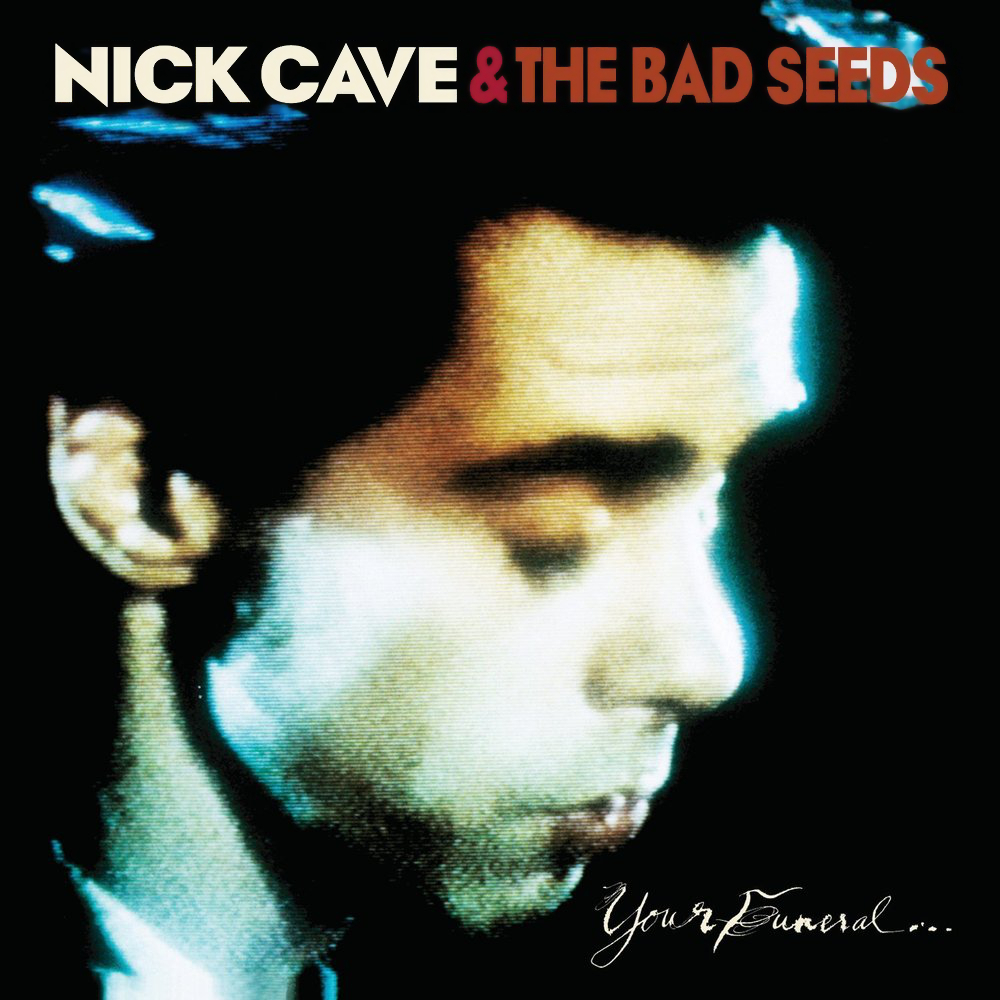
 View Artist