Song Meaning
The lyrics paint a powerful picture of a state of being lost and incomplete, a "symphony of chaos" and "aimlessly unguided," before a transformative intervention. The narrator describes a series of conditions – "stutter and stammer," "kept and captive," "orphaned and abandoned" – that are resolved only when a "You" speaks, frees, dreams, and leads them. This "You" appears to be a divine or redemptive figure, capable of turning the unknown into "poetry and prose" and guiding the lost "home."
The central tension lies in this profound dependency on the "You" for identity and salvation. The lyrics repeatedly contrast a passive, broken existence with an active, redeemed one, all initiated by this external force. The phrase "By Your wounds we are healed" acts as a refrain, anchoring the entire narrative in a specific act of sacrifice that brings about this healing. It's a declaration of received grace, where the speaker's own state is entirely contingent on the actions of another.
The most striking craft element is the consistent use of past participles to describe the initial state of brokenness: "kept," "captive," "unimagined," "unguided," "passed over," "passed by," "orphaned," "abandoned," "hidden," "disclosed." These words emphasize a state of being acted upon, a lack of agency, which is then directly contrasted with the active verbs of the "You" – "say us," "play us," "read us," "free us," "dream us," "lead us," "claim us," "name us," "expose." This structural parallel highlights the dramatic shift from passive suffering to active redemption.
This lyrical construction is effective because it builds an undeniable case for the transformative power of the "You." The repetition of "By Your wounds we are healed" hammers home the core message of salvation through sacrifice. The concluding questions, "What kind of love would take Your shame / And spill His blood for You / And save us by His wounds?" directly engage the listener, prompting reflection on the immense, almost unbelievable, nature of this redemptive act. It's a testament to a love that not only mends but fundamentally redefines existence.
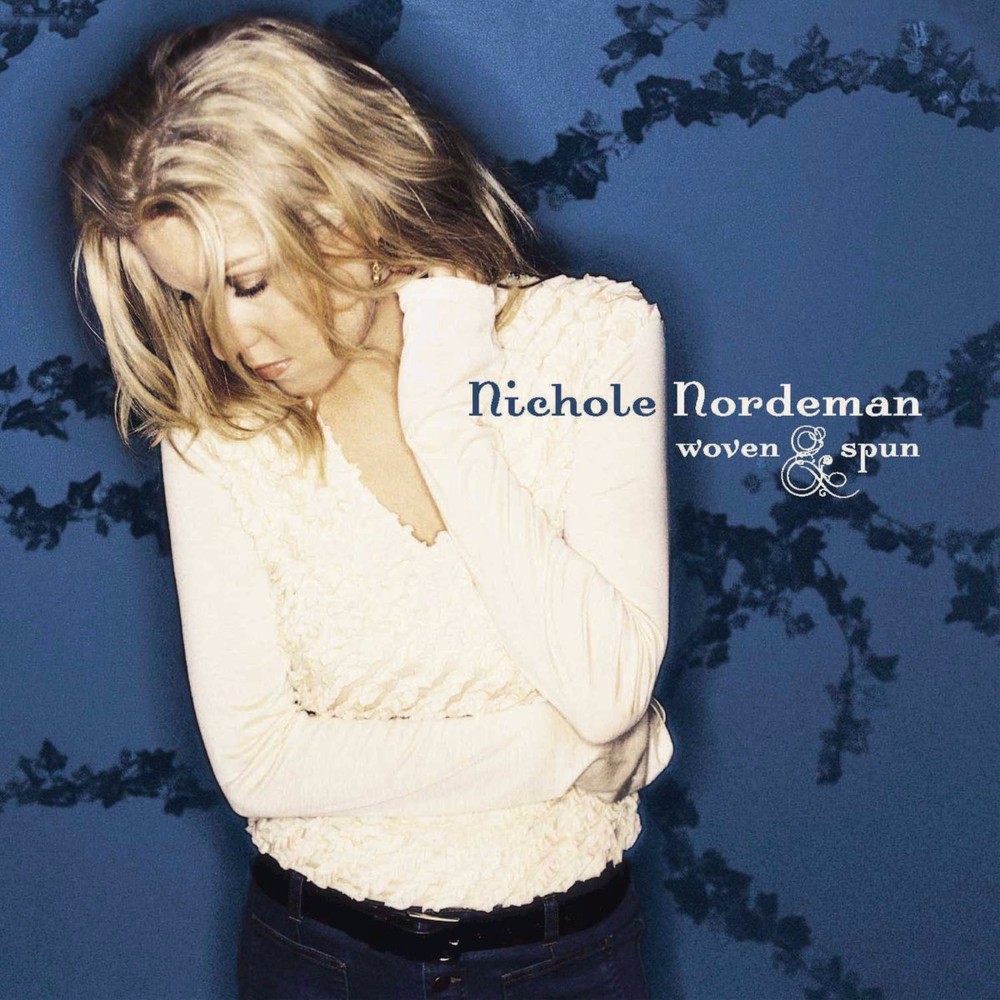
 View Artist