Song Meaning
The lyrics open with a stark, ritualistic scene: a shared bottle of drink marking an impending, definitive farewell. The speaker, seemingly resigned, declares a desire to face the pain of being forgotten directly, without illusion. There's a palpable tension between a forced stoicism and the raw hurt of a relationship ending.
The central emotional conflict lies in the speaker's attempt to maintain dignity while grappling with profound loss. Lines like "Esta noche no voy a rogarte" project an image of strength, yet the immediate follow-up, "Que dificil tener que dejarte, sin pensar que tu ya no me quieras," betrays the deep struggle. The speaker is trying to control the narrative of the breakup, even as the emotional reality threatens to overwhelm.
A powerful shift occurs in the repeated request for the "ultimo trago." Initially, it's a shared departure: "en el ultimo trago nos vamos." But later, it transforms into a plea for a secret, final intimacy: "en el ultimo trago me besas." This twist, coupled with the anticipation of the other person's potential "verguenza," exposes a lingering, almost desperate vulnerability beneath the speaker's defiant exterior. The recurring refrain, "Nada me han enseñado los años / Siempre caigo en los mismos errores," grounds this specific heartbreak in a larger, fatalistic pattern of repeated pain.
These lyrics are effective because they capture the messy, contradictory emotions of a breakup. The speaker isn't just saying goodbye; they're orchestrating a final, bittersweet performance, dictating terms while simultaneously exposing their deepest wounds. The imagined future encounter, where they "simplemente la mano nos damos y despues que murmure la gente," paints a vivid picture of a relationship that will continue to exist in the shadows of public perception, long after the last sip.
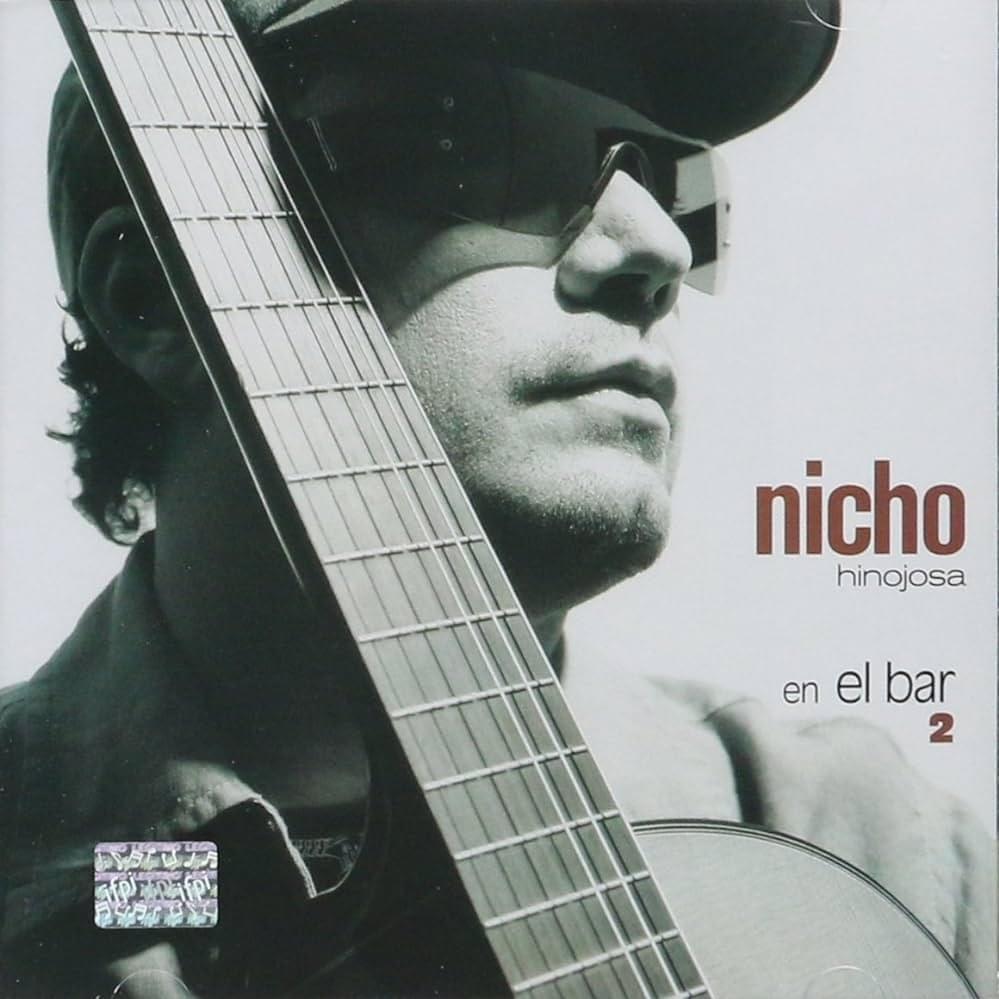
 View Artist