Song Meaning
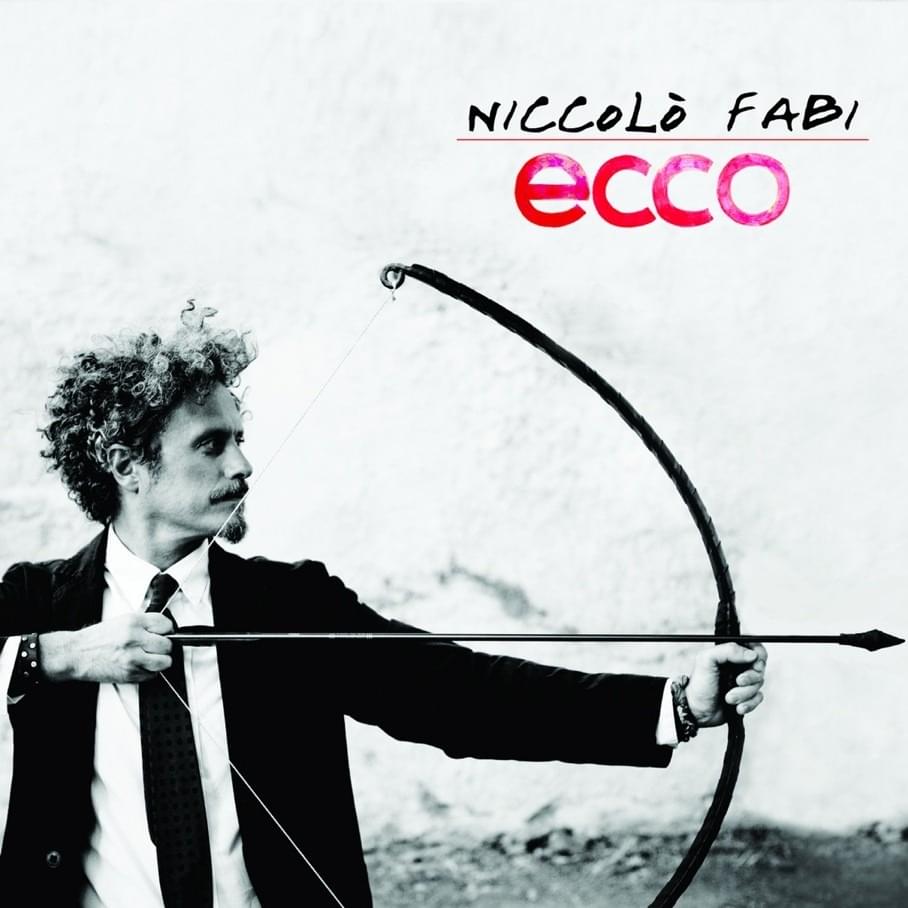
The lyrics paint a vivid picture of reversal and return, using striking imagery to convey a powerful sense of unwavering commitment. The opening verses present fragmented scenes of brokenness and peril: glass shards reassembling, a storm-tossed boat sailing backward to safety, an arrow retreating to its bow. These aren't just random images; they establish a core theme of undoing damage and defying natural progression, all leading to the repeated, emphatic declaration, "Ecco" – a word that signifies arrival or appearance.
The central tension lies in the narrator's absolute refusal to let go, directly stated in the chorus: "Io certo non ti lascerò mai andare" (I certainly will never let you go) and "Di certo non ti lascerò sparire" (Certainly, I won't let you disappear). This promise is amplified by the preceding verses, suggesting that even the most broken or lost things can be brought back, implying a similar restorative power the narrator intends to wield. The final verse introduces an elderly man on the brink of death, who hears a baby's cry, adding a layer of profound, almost miraculous renewal at the end of life.
The most compelling aspect of the craft is the consistent use of retrograde motion as a metaphor for preservation and return. The broken glass, the boat, the arrow – these are all elements that, in their natural state, would move forward or remain broken. By depicting them moving backward or reassembling, the lyrics create a sense of impossible rescue and defiance of fate. The word "Ecco" acts as a punctuation mark, a sudden appearance or realization that reinforces the idea of something lost or broken being found or restored.
This lyrical construction is deeply effective because it grounds an abstract promise of devotion in concrete, almost surreal, visual events. The narrator isn't just saying they won't leave; they're showing it through these powerful images of things coming back from the brink. The final image of the old man hearing a newborn's cry, immediately after the chorus's vow, suggests that this commitment is about ensuring continuity and new beginnings, even in the face of endings, making the promise feel both absolute and life-affirming.
 View Artist