Song Meaning
The lyrics paint a picture of a young person adrift, waiting in the dark for a dawn that feels impossibly far off. They're stuck at a "station" in the "darkness," unable to live on "memories alone," and searching for love to move forward. This initial scene sets a tone of hopeful uncertainty, a feeling of being on the cusp of something without knowing what it is or when it will arrive. The narrator feels a deep disconnect from the "city life," repeatedly considering returning home, yet something keeps them moving forward. This internal conflict between the desire for familiarity and the pull of the unknown is palpable.
The central tension lies in the struggle against an unseen force, a relentless drive to keep moving despite a lack of direction. The recurring metaphor of "migratory birds" is striking: they fly without seeing the sky, without a map, guided only by "instinct." This suggests a profound sense of being propelled by an internal, perhaps even unconscious, force rather than conscious choice or clear goals. The lyrics question what it means to "grow up," wondering if it's simply about becoming accustomed to things, losing the initial spark, and accepting the predictable passage of time. The repeated phrase "Our hearts' wings" emphasizes this innate, perhaps even painful, drive to keep going, even when wounded.
The most compelling aspect is the contrast between the external journey and the internal state. While the narrator is physically moving, perhaps towards a "continent" or a "new season," their internal landscape is one of questioning and uncertainty. They ask, "Where are we now?" and ponder if growing up means "getting used to something." The image of the "window view" remaining unchanged while only the "viewer has changed" powerfully captures the feeling of personal transformation happening in isolation, even as the external world seems static. This highlights a disconnect between the outward appearance of progress and the internal search for meaning and belonging.
Ultimately, these lyrics resonate because they articulate the disorienting feeling of navigating early adulthood. The raw honesty about not knowing where one is going, the reliance on instinct over clear plans, and the questioning of what constitutes maturity all tap into a shared experience of uncertainty. The song captures the specific ache of youth – the "group portrait of youth" – as a period defined by relentless forward motion, even when the destination is unclear and the path is fraught with "rough waves." It's this vulnerability and the powerful, almost involuntary, drive to keep pushing forward that makes the song hit so hard.
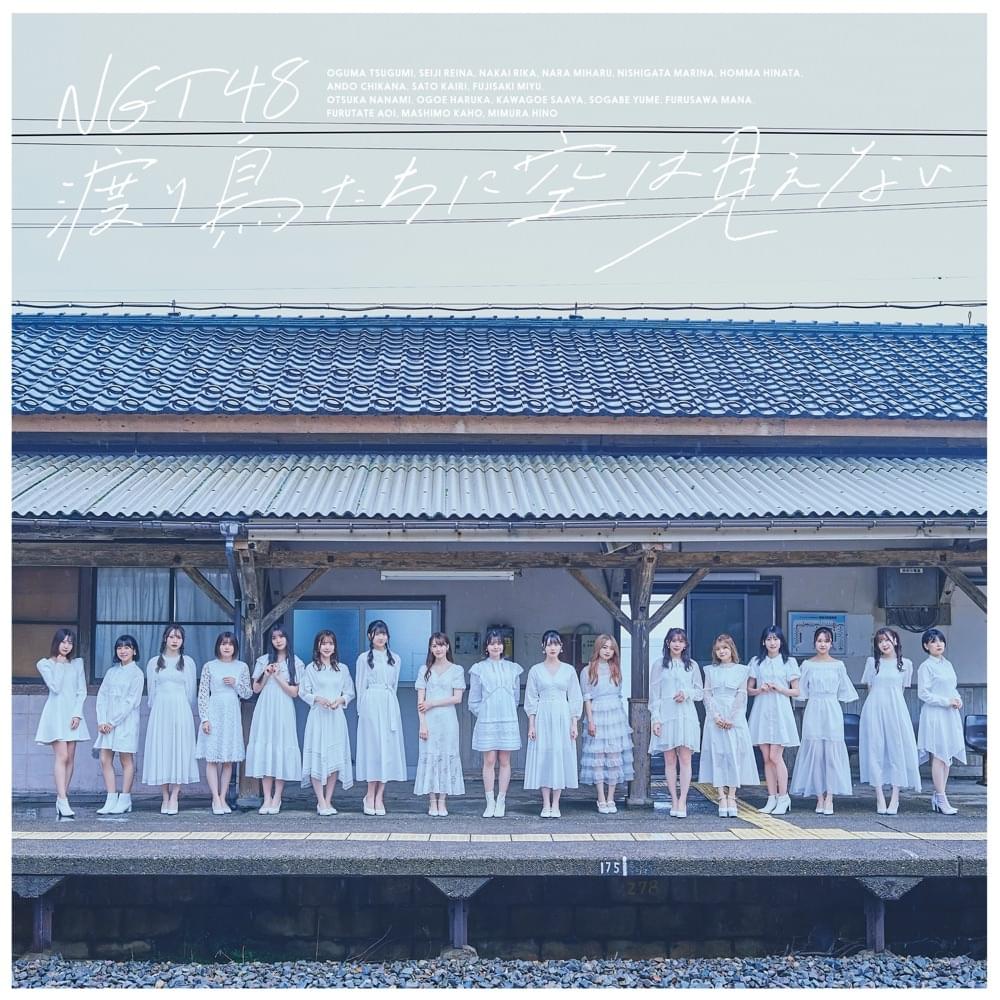
 View Artist