Song Meaning
The narrator desires a raw, visceral performance, wanting to be "molhado de suor" (wet with sweat) under the spotlight. This isn't just about the physical exertion of singing; they insist it's their "alma que sua" (soul sweating), a "sol negro de dor" (black sun of pain). This suggests a performance that bleeds into the spiritual, a painful outpouring that transcends mere physical display.
The core tension lies between the physical and the spiritual, the carnal and the divine. The narrator presents themselves as a "bicho um animal ferido" (a wounded animal) driven by primal urges, yet also as a conduit for something profound, like a "cão que uiva pra Lua" (dog howling at the moon). This duality creates a sense of desperate, almost animalistic longing that seeks a higher, perhaps sacred, connection.
The most striking craft lies in the juxtaposition of sacred and profane imagery. The narrator wants to leave the listener "molhado de amor" (wet with love), not just from heat, but through "o licor da saliva" (the liquor of saliva) and the "língua o beijo a palavra" (tongue, the kiss, the word). Their voice aims to be a "dedo / Na tua chaga sagrada" (finger / On your sacred wound), a "voz feita de еspinho" (voice made of thorn), suggesting a painful, yet ultimately spiritual, penetration. This is sensual not just physically, but "como o espírito / Ou como o verbo encarnado" (like the spirit / Or like the word made flesh).
This writing is effective because it grounds abstract spiritual yearning in intensely physical, even uncomfortable, sensations. The "humaníssimo gemido" (most human moan) is linked to love, and the desire for connection is expressed through the body’s most intimate fluids and actions. The narrator crafts an experience that is both deeply personal and universally understood through the primal language of desire and pain, making the performance feel like a sacred, yet carnal, communion.
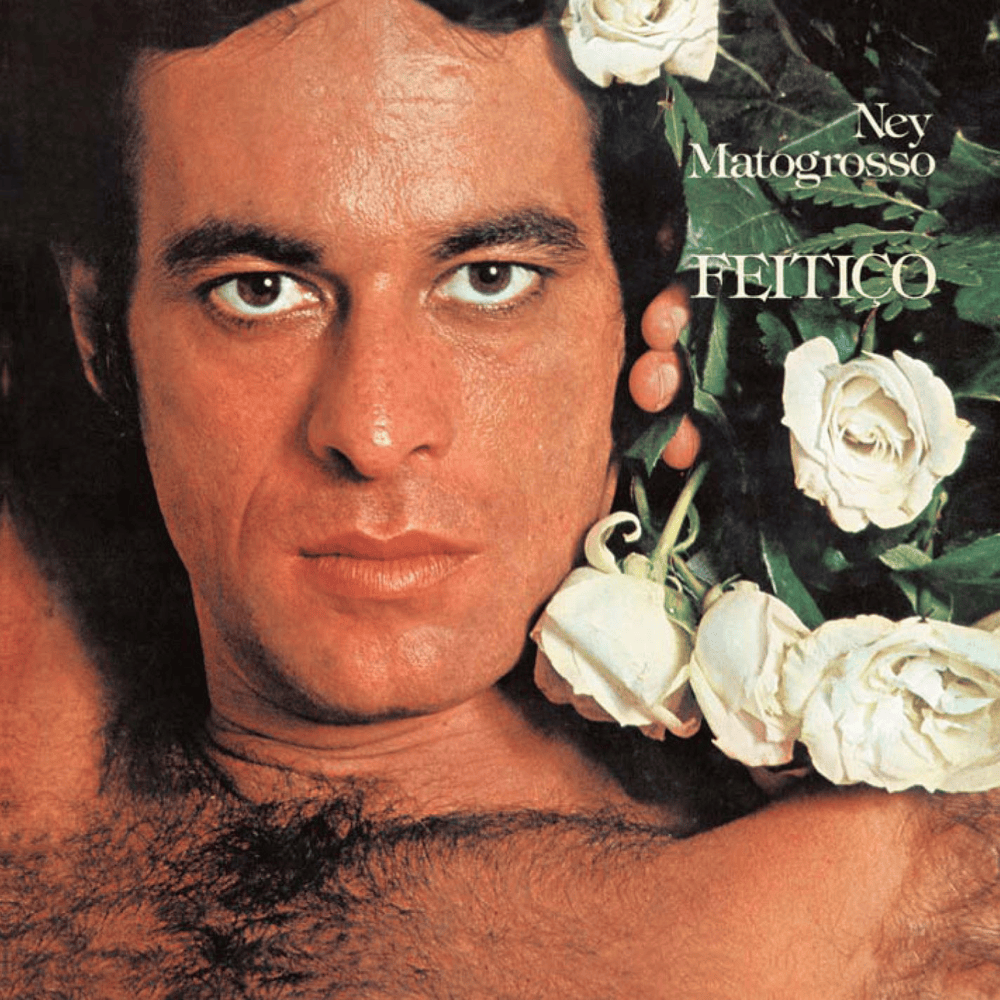
 View Artist