Song Meaning
The lyrics paint a disorienting picture, opening with a jarring sensory experience: a "strange dream" with a "glass and cut" taste, juxtaposed with "chocolate" and the stark duality of "life and death." This immediate sensory overload, amplified by the repeated phrase "Coração Americano," suggests a profound internal conflict or a feeling of being overwhelmed by a distinctly American experience, one that is both alluring and dangerous. The narrator wakes into this unsettling reality, a stark contrast to the dream's abstract sensations.
The central tension emerges from a profound sense of dissociation and waiting. The narrator is caught in an "immense line," a metaphor for passive endurance or perhaps a societal queue, while their "black body forgot itself." This forgetting leads them to a mental escape, an imagined or remembered presence in "San Vicente." The city, with its "lights," "women and men," becomes a site of vivid, present experience, contrasting sharply with the stagnant, uncounted hours of waiting in the present reality. The act of waiting is so profound that time itself seems to cease, and the present moment "darkened" as the narrator mentally absents themselves.
The most striking craft element is the persistent contrast between the immediate, harsh sensory input of the "American heart" and the vivid, almost escapist recall of San Vicente. The phrase "Um sabor de vidro e corte" (A taste of glass and cut) acts as a recurring anchor to this discomfort, a physical manifestation of unease. This taste is repeatedly linked to the "American heart," implying that this unsettling sensation is intrinsically tied to the narrator's identity or environment. The lyrics skillfully use this sensory detail to externalize an internal state of being, making the abstract feeling of alienation palpable and deeply felt.
Ultimately, these lyrics resonate because they capture a feeling of being simultaneously present and absent, trapped in a mundane or difficult reality while the mind seeks refuge elsewhere. The stark, almost brutal sensory details of the "American heart" clash with the more concrete, though perhaps idealized, memories of San Vicente. This creates a powerful emotional landscape of longing and dissatisfaction, where the act of waiting is so consuming that it leads to a form of mental escape, highlighting a profound disconnect between the narrator's physical circumstances and their inner world.
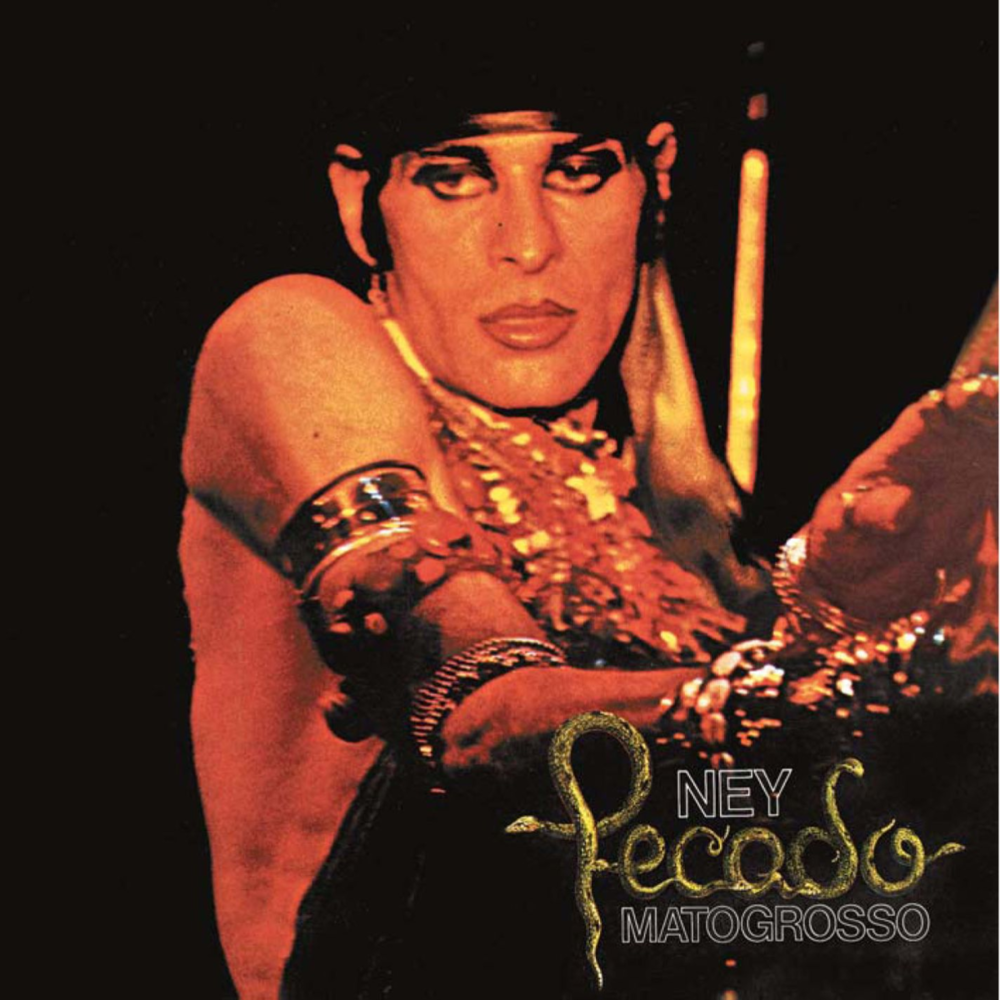
 View Artist