Song Meaning
The lyrics paint a vivid, almost idealized picture of Brazil, focusing on its natural beauty and the deep affection the narrator holds for their homeland. The opening lines immediately establish a sense of pride and wonder, highlighting the clarity of the beaches and the rarity of the flowers. This initial declaration, "Isto é o meu Brasil," sets a tone of possessive love and belonging. The subsequent enumeration of natural features – sources of water, islands, forests, mountains, and waterfalls – further solidifies this image of a pristine, divinely created paradise.
The core emotional tension arises from a profound sense of longing, or "saudade," as explicitly stated. The narrator confesses to composing this "ligeira" (light, quick) song "quase louco de saudade" – almost crazy with longing. This suggests a physical or emotional distance from Brazil, making the celebration of its beauty a bittersweet act, a way to connect with the homeland from afar. The song itself becomes a vessel for this intense feeling, a "canção ligeira" that carries the weight of deep emotion.
The craft here is in the direct, almost childlike enumeration of natural wonders, presented as gifts from a higher power: "Deus foi quem criou." This elevates Brazil beyond mere geography to a sacred space. The repeated use of "nossas" (our) throughout the first stanza emphasizes a collective ownership and shared experience of this beauty, fostering a sense of community tied to the land. The shift to a direct address, "Ouve esta canção ligeira," and the plea for Brazil to "Tange as cordas dos seus violões / E canta o teu canto de amor" transforms the song from a personal lament into a call for national expression and shared emotional resonance.
Ultimately, the effectiveness of these lyrics lies in their unadorned sincerity and the powerful evocation of love for one's country through its natural splendor and the shared experience of "saudade." The simple, declarative statements about beauty, coupled with the raw confession of longing, create an emotional landscape that feels both personal and deeply resonant, inviting listeners to connect with their own sense of home and belonging through the narrator's heartfelt tribute.
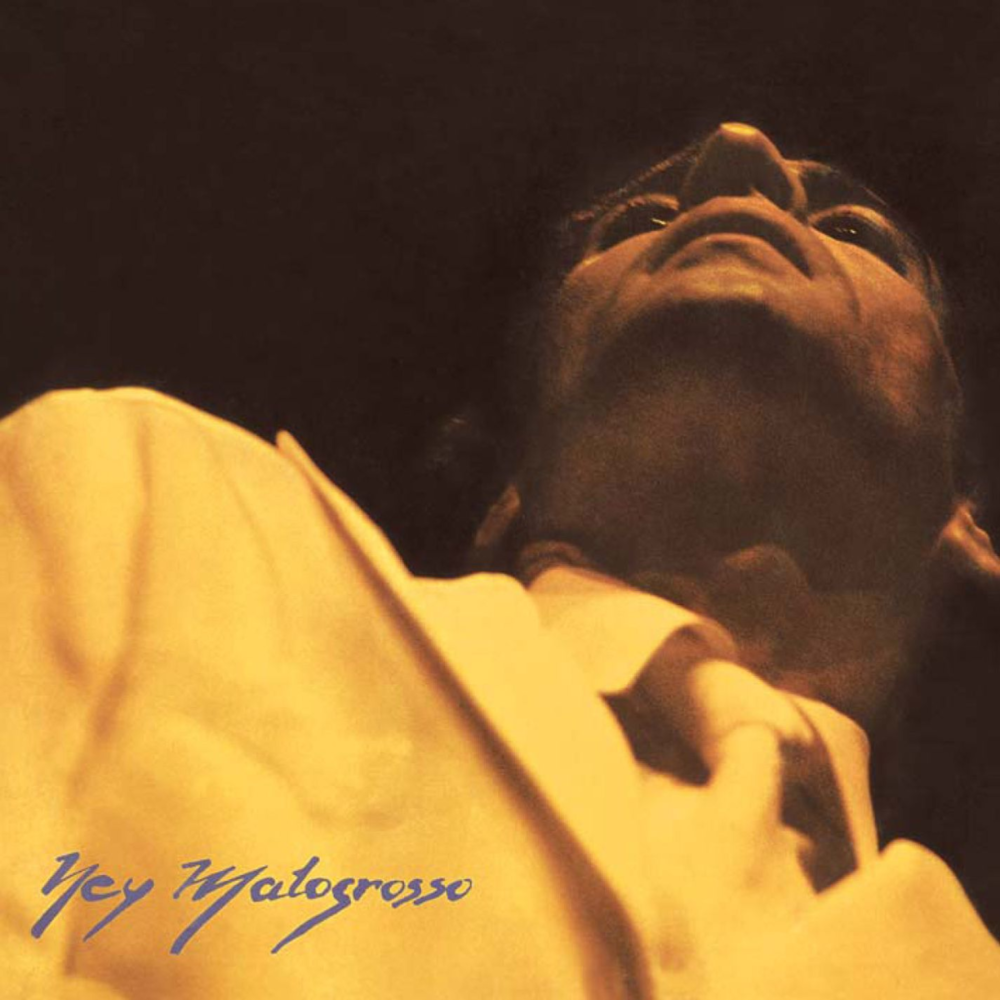
 View Artist