Song Meaning
The lyrics open with a poignant question about the futility of tears. The speaker reflects on a past love that once felt like everything. This deep connection, however, has since crumbled, leaving behind profound sorrow.
The initial imagery paints a picture of total devotion, describing the past love as "meu céu, meu mar, meu chão." This expansive world then dramatically collapses, with the "céu escureceu" and the sea drying up, culminating in the speaker's own tears flooding the ground. This vivid contrast highlights the depth of the betrayal or loss, showing how completely the speaker's world was upended.
A striking shift occurs as the speaker declares the former lover will face "a recompensa Das ofensas." This isn't a reward, but a chilling promise of retribution, implying a karmic balance for past wrongs. The speaker's newfound patience and strong belief in a Creator underpins this conviction, suggesting a spiritual grounding for their resolve that transcends immediate grief.
The lyrics become particularly potent in their final, repeated assertion: "Nunca banharão a tua dor." The very tears the speaker shed, once a symbol of their profound pain, are now explicitly withheld as a future source of comfort for the one who caused them. This refusal to offer solace, grounded in a quiet strength, creates a powerful sense of emotional closure and a definitive severing of ties, leaving the listener with a stark image of justice.
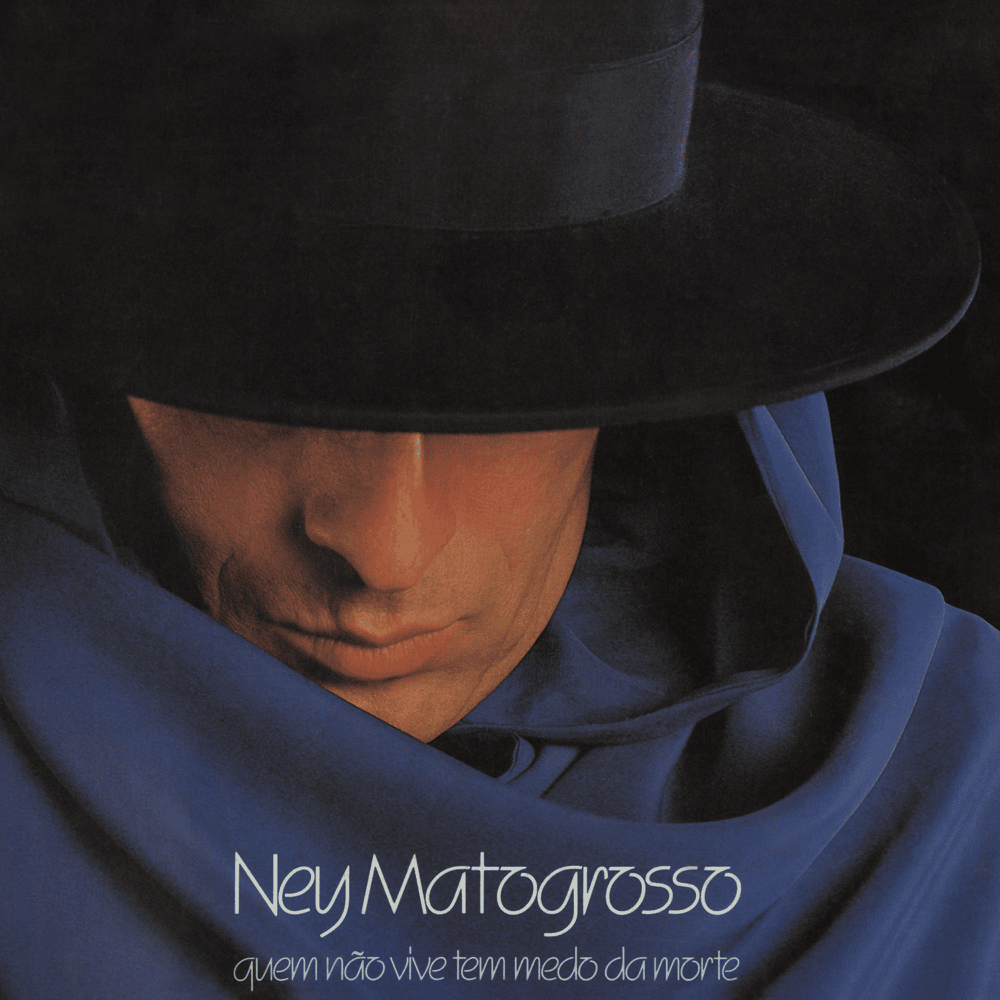
 View Artist