Song Meaning
This song presents a radical idea of love: not possession, but liberation. The repeated phrase "O seu amor" (Your love) acts as a refrain, grounding the listener in the central theme before each new directive. The lyrics immediately establish a tone of selfless devotion, urging the listener to "Ame-o e deixe-o livre para amar" (Love him and let him be free to love). This isn't about conditional affection; it's about granting autonomy.
The core tension lies in the paradox of loving someone by letting them go. The narrator insists on allowing the beloved "ir aonde quiser" (go wherever he wants) and "brincar" (play), "correr" (run), "cansar" (tire), and finally "dormir em paz" (sleep in peace). These actions paint a picture of a life lived fully, unburdened by the lover's expectations or demands. It's a profound act of trust and acceptance.
The most striking aspect is the insistent repetition, not just of "O seu amor," but of the core instruction: "deixe-o livre para amar," "deixe-o ir aonde quiser," "deixe-o ser o que ele é." This repetition hammers home the central message, transforming a simple sentiment into a powerful mantra for unconditional love. The progression from "amar" to "ir aonde quiser" to the ultimate state of "ser o que ele é" (be what he is) illustrates a journey toward complete self-realization for the beloved, facilitated by the lover's grace.
Ultimately, the lyrics resonate because they articulate a mature, almost spiritual, form of love. It’s the kind of love that finds its greatest expression not in holding on, but in letting go, trusting the beloved's path. The simple, direct language and the unwavering focus on freedom create a deeply moving and aspirational vision of affection.
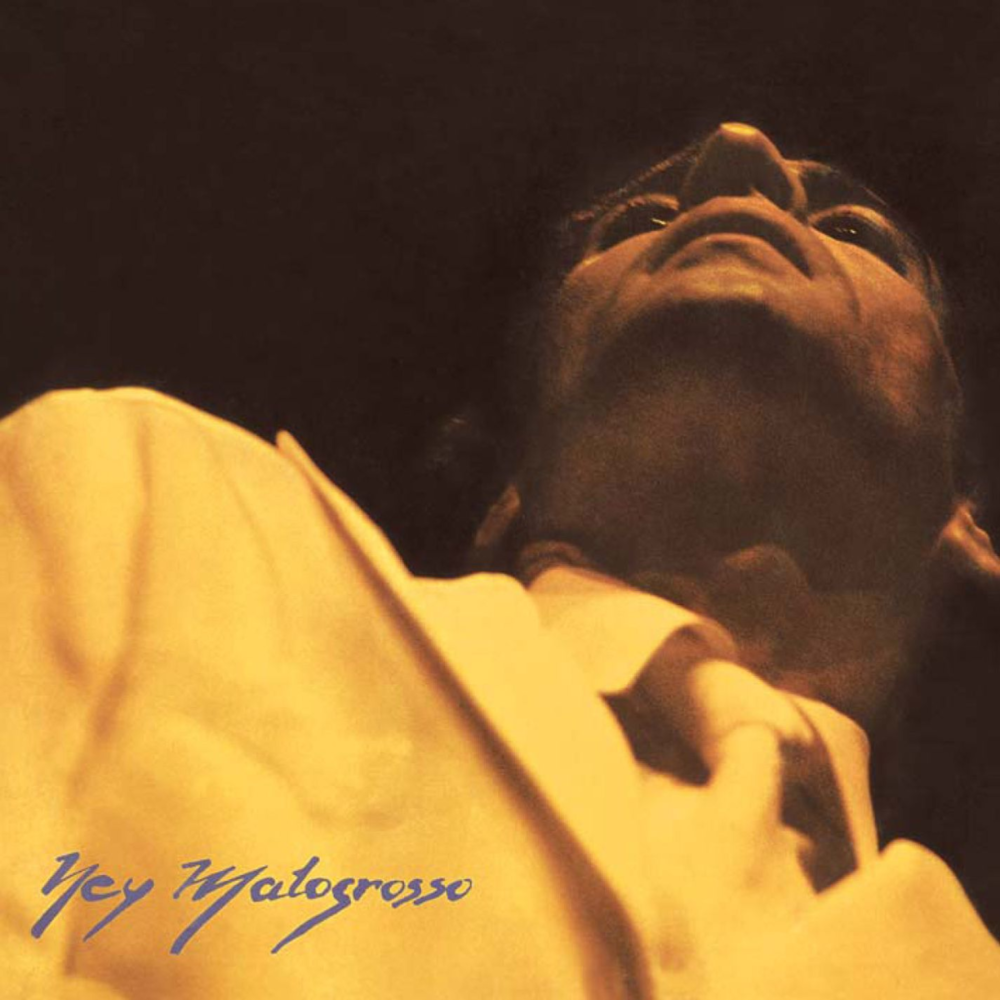
 View Artist