Song Meaning
The lyrics open with a stark declaration: "Não faz sentido / Viver assim / Dessa maneira / Não dá pra mim." This immediately establishes a tone of deep dissatisfaction and a refusal to continue living in a particular, undefined way. The repeated phrase acts as a powerful thesis, asserting that the current mode of existence is unsustainable and illogical for the speaker. It's a direct, almost blunt, statement of personal crisis.
The core tension arises from the speaker's burgeoning desire for self-discovery and freedom, contrasted with the oppressive nature of their current circumstances. The plea, "Abra seus olhos / Você precisa entender," suggests an external force or perspective that needs to be convinced or awakened to the speaker's internal reality. The narrator asserts their agency, declaring, "Que posso também encontrar / O meu caminho / Sem ter mais medo," signaling a pivotal shift towards independence and the shedding of fear.
The most striking aspect of the craft is the deliberate repetition of the central refrain, "Não faz sentido." This isn't just a lyrical hook; it functions as an incantation, reinforcing the speaker's conviction and the urgency of their need for change. The subsequent verses paint a picture of liberation, with the narrator expressing a desire to "Sair pelo mundo" and a feeling of their body becoming "Muito mais solto e feliz." This vivid contrast between the initial stasis and the envisioned movement highlights the profound emotional transformation being articulated.
Ultimately, the effectiveness of these lyrics lies in their directness and the clear emotional arc they present. The simple, declarative language cuts through ambiguity, making the speaker's internal struggle and their eventual embrace of freedom feel immediate and resonant. The song captures that critical moment when the illogic of a current situation becomes so unbearable that the only rational response is to seek a new path, driven by the promise of a lighter, happier existence.
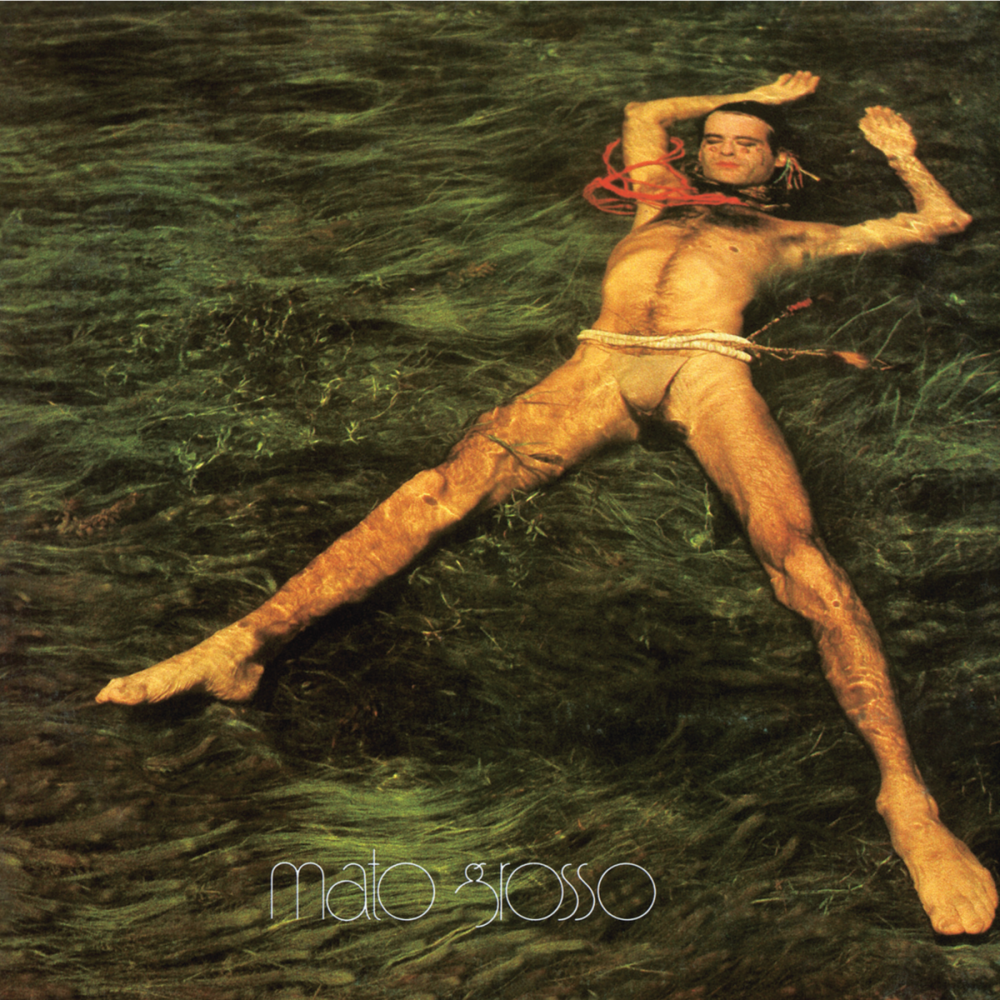
 View Artist