Song Meaning
The lyrics open with a vivid, almost pastoral scene: a banana tree in the yard, the taste of life. This idyllic imagery quickly introduces a subtle tension, with "temporal" in the air. The speaker recalls a pure, youthful enjoyment, eating ripe fruit directly from the tree. Yet, this sweetness is soon overshadowed by a profound, gnawing ache.
A central emotional tension emerges from the contrast between this innocent past and a present sense of loss. The phrase "o gosto da semente" suggests an inherent potential or destiny, made poignant by the immediate follow-up: "sabendo no começo como era o fim." This line imbues the simple childhood joys—like drinking beer or coffee with bread—with a melancholic awareness, hinting at an inevitable conclusion to that happiness. Even the comfort of being forgiven for minor complaints feels like a distant, cherished memory.
The raw, repetitive cry of "Me roi, me roi" becomes the visceral core of the lyrics, conveying a persistent, almost physical pain that gnaws at the speaker. This feeling is linked to a present state of withdrawal, where the speaker is "estar de edredon," yearning without seeing vibrant life around them. The self-identification as a "mercador de ilusão" suggests a self-awareness of perhaps holding onto false hopes or a romanticized past. The concluding image, "Eu sou a primavera, madurando em verão," implies a natural progression, but here it feels tinged with a sense of time's relentless passage and perhaps a missed opportunity.
These lyrics effectively capture the bittersweet nature of nostalgia, where cherished memories are inextricably linked to the pain of their absence. The shift from concrete sensory details of childhood to the abstract, consuming "me roi" creates a powerful emotional arc. By grounding profound longing in both simple pleasures and complex self-reflection, the writing makes the ache of deep, untranslatable longing deeply resonant, suggesting a past that continues to consume the present.
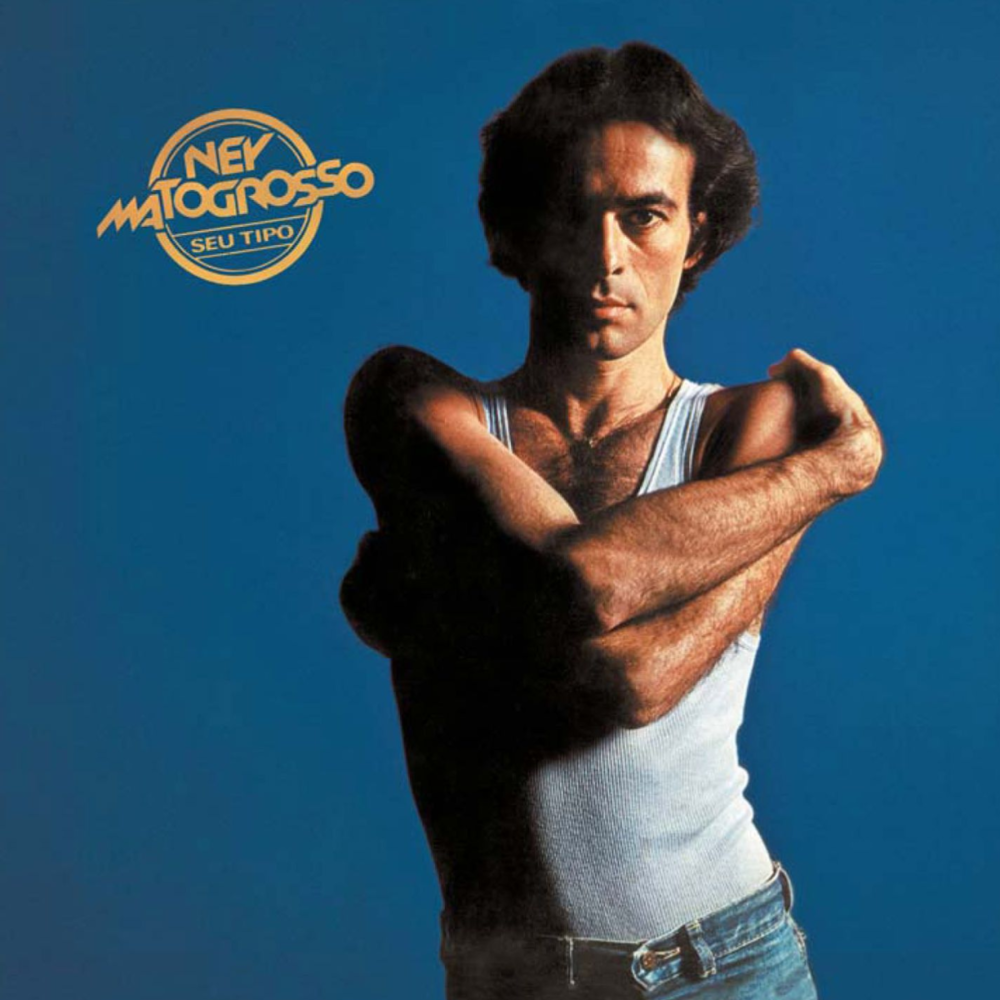
 View Artist