Song Meaning
“Cordas de Aço” immediately plunges the listener into a scene of intimate confession. The narrator addresses a guitar, finding solace in its “cordas de aço” and “minúsculo braço” as fingers “acariciam” them. This isn't just playing; it's a profound physical and emotional connection. The instrument is held “junto ao meu peito,” suggesting it's a silent, understanding companion.
The central tension emerges quickly: the narrator has “perdi toda alegria,” and only the guitar truly understands why. This line reveals a deep, isolating sorrow, where the instrument becomes the sole repository of unspoken grief. The guitar's “bojo perfeito” held close amplifies this sense of private communion, a shared burden between human and wood.
A striking shift occurs with the phrase “E no entanto meu pinho” (And yet, my pine). The narrator's despair suddenly gives way to an intuitive, almost mystical belief: “Aquela mulher” is “está nos esperando.” This personification of the guitar as “my pine” deepens the bond, making it a partner in this hopeful premonition. The contrast between the initial lost joy and this sudden, unshakeable intuition is powerful.
The lyrics culminate in a vivid, almost dreamlike vision of reunion: “iremos pra casa Cantando!” This isn't just a wish; it's a declared future, a triumphant return to joy.
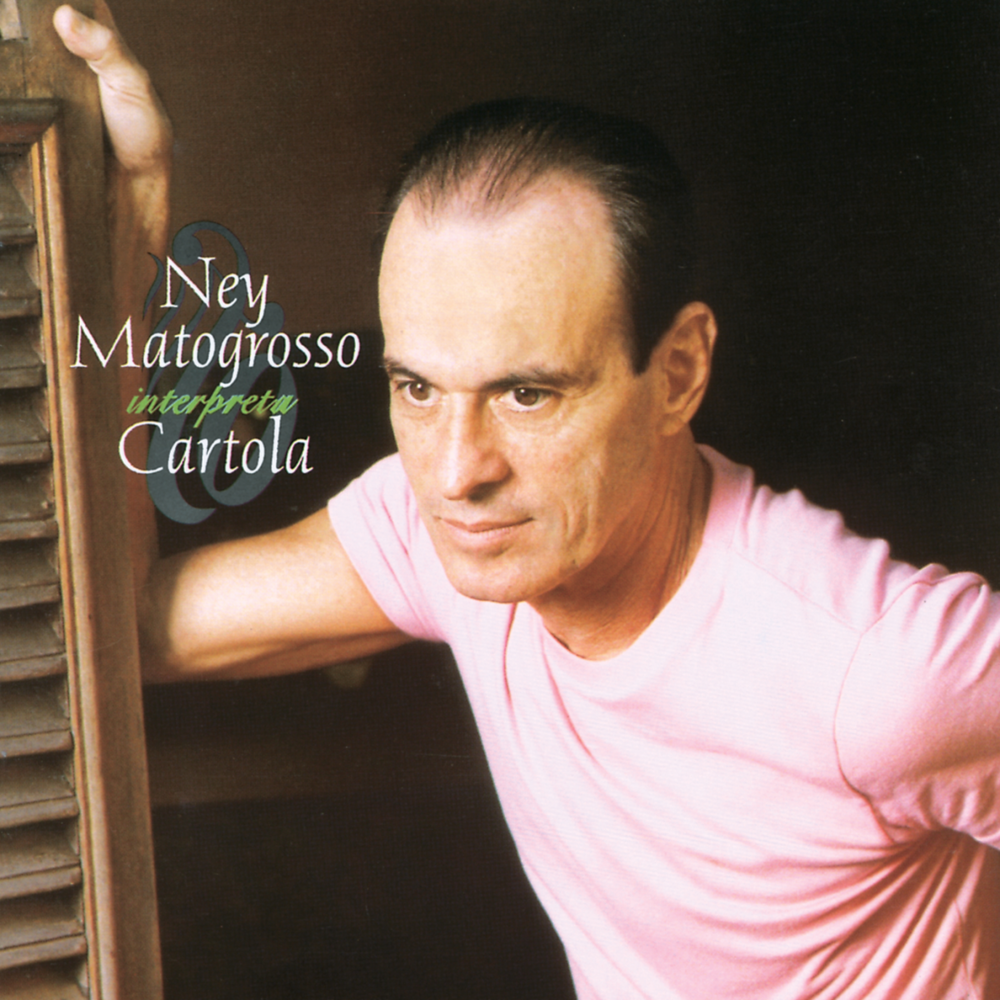
 View Artist