Song Meaning
The lyrics open with a heart "bate outra vez" (beating again) with hopes as summer ends, quickly pivoting to a "certeza que devo chorar" (certainty I must cry). This sets a tone of bittersweet resignation, a recurring cycle of longing and loss. The narrator returns to a garden, a place of beauty now tinged with sorrow.
The core tension lies in this push-pull between lingering hope and the stark reality of absence. The heart's initial flicker of hope is immediately undercut by the knowledge that the beloved "não queres voltar" (don't want to return). The changing season, with summer "terminando," mirrors this emotional transition, marking an end rather than a new beginning.
The most striking craft element appears when the narrator "queixo-me às rosas" (complains to the roses), then dismisses it as "que bobagem" (what foolishness). This self-aware moment is immediately followed by a profound observation: "As rosas não falam / Simplesmente as rosas exalam / O perfume que roubam de ti." The roses' silence isn't empty; it's filled with the essence of the lost love, a poignant, almost painful reminder.
This lyrical move makes the absence palpable, transforming the natural world into a vessel for memory. The "perfume que roubam de ti" suggests a lingering, involuntary connection, a trace of the beloved that persists even without their presence or desire to return. It's a powerful way to convey how deeply the absent person has permeated the narrator's world, making escape from their memory impossible. The final lines, wishing the beloved would "ver os meus olhos tristonhos" and "sonhavas meus sonhos," underscore a deep yearning for shared experience that remains unfulfilled.
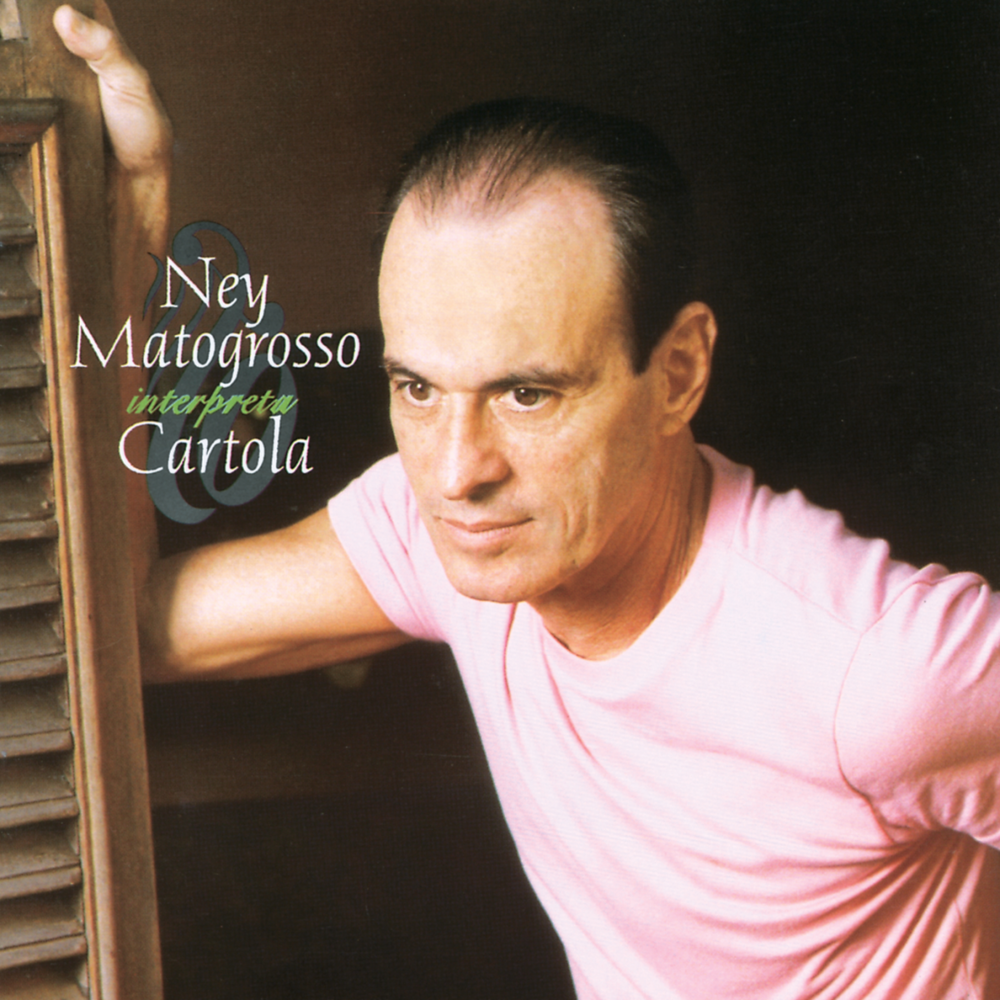
 View Artist