Song Meaning
The lyrics paint a vivid picture of a bittersweet departure at dawn. The speaker is leaving a samba session, uttering a repeated "Adeus, adeus" to their instruments and the vibrant energy of the "batucada." There's an immediate emotional tension: the speaker departs "chorando / Com meu coração sorrindo," a powerful paradox that sets the tone for a complex farewell.
This central emotional conflict—crying outwardly while smiling internally—suggests a profound connection to the samba. The speaker recalls a childhood spent "sonhando" with samba, even waking up "tristonha chorando." This deep, lifelong bond makes the current goodbye particularly poignant, hinting that the tears are not just for the end of the night, but for something much deeper, perhaps a chapter closing or a moment of intense appreciation.
The lyrics draw a sharp contrast between past goodbyes and this one. The speaker notes that they always said farewell to a "grande amor" while "me despedi sambando." Yet, to the batucada, they now say goodbye "chorando." This distinction elevates the batucada to a unique, almost sacred place in the speaker's heart, suggesting this particular farewell carries a weight unlike any other. The metaphor of a "jóia que se perde no mar" only found "no fundo" further emphasizes the profound, almost lost, value of this experience.
Ultimately, the lyrics are effective because they personify the batucada, transforming it from a musical event into a beloved entity. The final, intimate address, "Adeus batucada querida," solidifies this deep affection. The blend of personal history, the raw emotional paradox, and the specific, tangible imagery of instruments and tears creates a farewell that feels both universal in its sadness and intensely personal in its devotion.
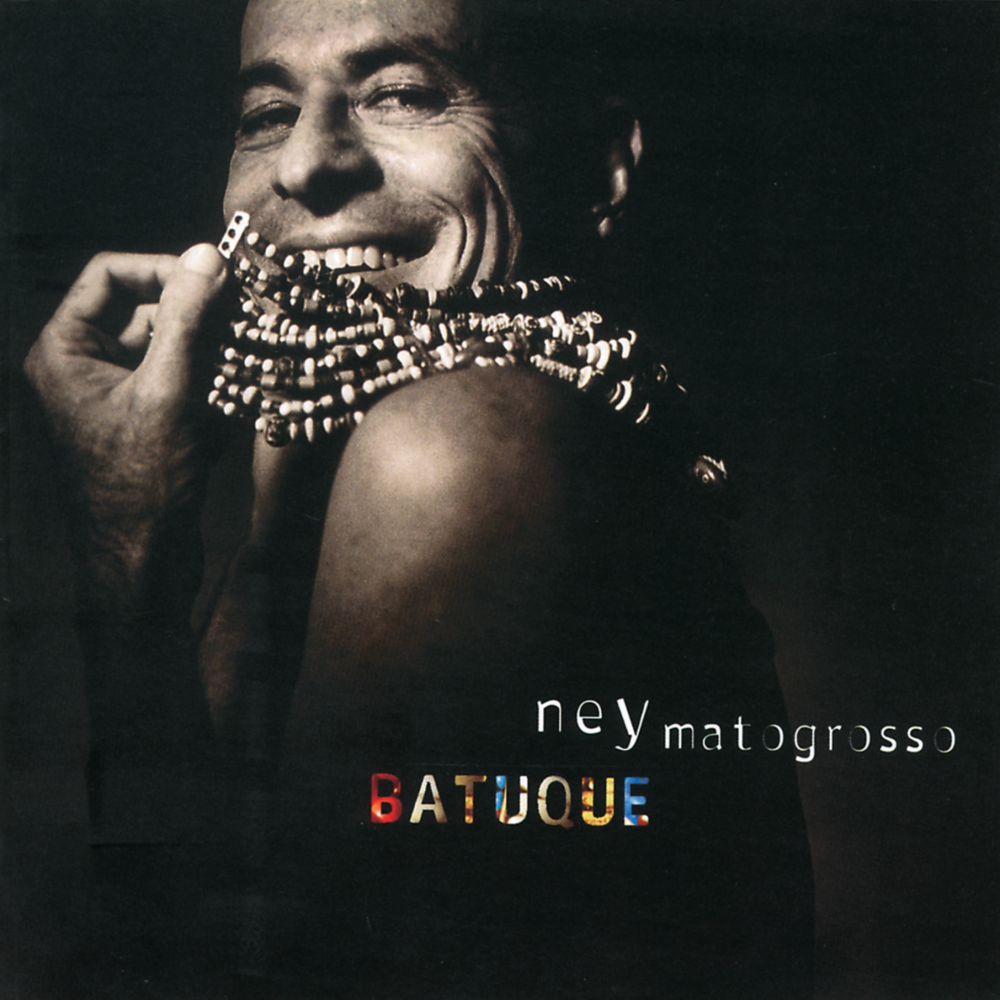
 View Artist