Song Meaning
The lyrics paint a stark picture of emotional and sensory deprivation, a world stripped bare of sensation and response. The opening lines establish a sense of stagnation, where unchanging thoughts are dismissed as falsehoods, and the present reality is a void: "No hearing or breathing, no movement, no colors, just silence." This sets a tone of profound emptiness, a state where even the basic elements of existence seem absent.
The central tension arises from a disconnect between an external inquiry and an internal refusal to engage. The narrator asks about what has been witnessed, only to receive a dismissive "You said you didn't care." This suggests a deep-seated apathy or a deliberate withdrawal, a refusal to process or communicate experience, further emphasizing the pervasive silence.
The craft here hinges on negation and sensory absence. Phrases like "no hearing or breathing" and "no movement, no lyrics, just nothing" create a powerful sense of void. The repetition of "It's never been quite the same" and "It's always been just the same" highlights a paradoxical stasis, a feeling of being stuck despite a supposed lack of change. The abrupt shift in Verse 4, with the aggressive "So, why don't you piss off?", shatters the passive emptiness with a sudden, raw outburst, revealing a flicker of intense, albeit negative, emotion beneath the surface.
This lyrical construction effectively conveys a feeling of being trapped in a desolate internal landscape. The stark imagery and the contrast between the passive void and the sharp rejection create a palpable sense of frustration and isolation. The writing forces the listener to confront this absence, making the eventual, albeit hostile, expression of feeling all the more impactful.
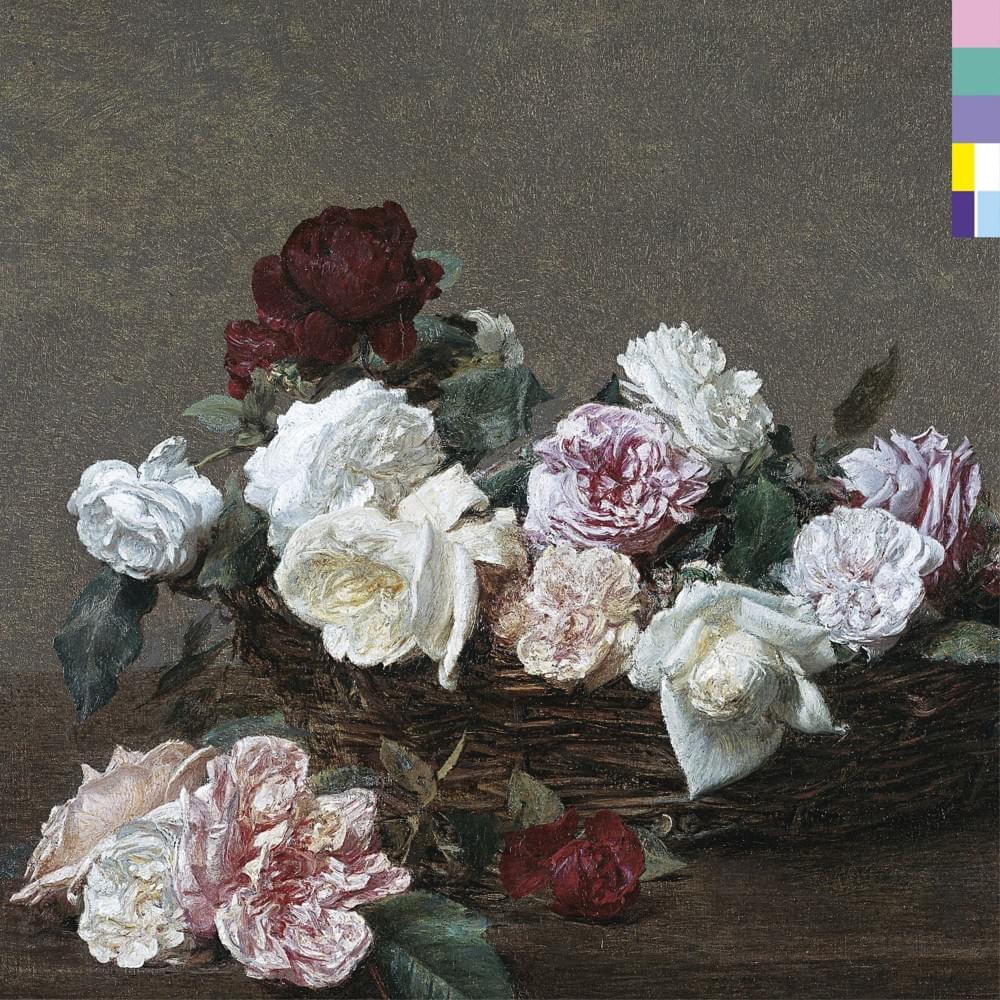
 View Artist