Song Meaning
The lyrics paint a picture of a nomadic existence, a departure from a place called Preston Street under the cover of night. There's a sense of shared, almost ancestral, hope driving this movement, a feeling that this way of life, this traveling, is deeply ingrained. The immediate sensory details – the "woman with topaz eyes," the "tattooed man" in the caravan, the "weak tea and cheap food" – ground the experience in a tangible, if somewhat gritty, reality, yet these simple provisions are described as tasting "this good," suggesting a profound appreciation for the present moment.
The central tension lies in the choice between returning to the "city, back to the lights" and the "unforgiven world," or continuing "on into the night." This isn't just a physical journey; it's a philosophical one. The allure of the city, with its implied harshness and judgment, is contrasted with the open-ended promise of the night, a space where "there's always something new to fall in love with." This recurring phrase becomes an anthem for a life lived in pursuit of novelty and wonder, a deliberate turning away from the known and potentially corrupting urban landscape.
The imagery of the night sky, "clear as ice," and the "new jewel" in Orion's Belt, serves as a powerful counterpoint to the human endeavors described. This celestial spectacle offers a sense of awe and timelessness, a vastness that dwarfs the immediate concerns of the travelers. The feeling of having "always been here," even as they park "between all the different lands," suggests a deep, almost spiritual, connection to this transient lifestyle, a sense of belonging found not in a fixed place but in the perpetual act of moving and observing.
Ultimately, the lyrics resonate because they articulate a yearning for a life defined by discovery and an escape from societal judgment. The relentless repetition of "something new to fall in love with" isn't just a desire for fleeting romance; it’s a manifesto for a way of being, a commitment to finding beauty and meaning in the constant unfolding of the world, particularly when contrasted with the implied disillusionment of the "unforgiven world" left behind.
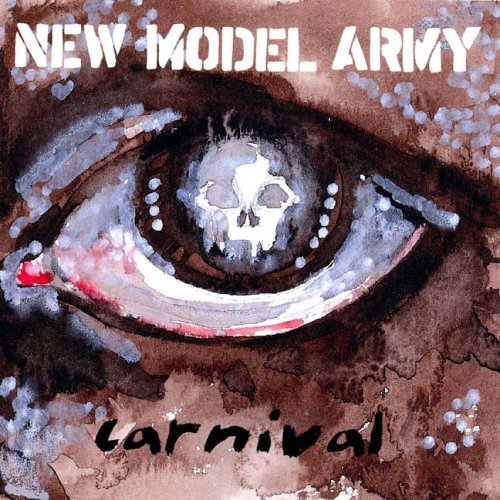
 View Artist