Song Meaning
The lyrics paint a picture of a relationship teetering on the edge, fueled by a narrator's desperate plea and a partner's apparent detachment. The opening lines immediately establish a sense of distress, with the narrator questioning their partner's awareness of the damage being done. The phrase "head full of lead" suggests a willful ignorance or a heavy, unresponsive state, setting a tone of frustration and confusion. The repetition of "what you've done to me" underscores the narrator's feeling of being victimized by the situation.
The central tension lies in the narrator's struggle to connect with a partner who seems emotionally absent. The repeated observation that the partner "look[s] bored" highlights this disconnect, while the narrator wishes the "danger" wouldn't create such a "stranger." There's a clear plea for recognition and shared feeling, asking "Don't you feel what i'm dealing with?" yet this is met with a resigned "But it's alright," indicating a cycle of disappointment.
The craft here hinges on the contrast between the narrator's intense emotional investment and the partner's perceived apathy. The chorus shifts from direct questioning to a more hopeful, almost pleading tone, referencing "best intentions" and "simple inventions." This suggests the narrator is trying to find reasons to believe in the relationship's potential, clinging to the idea that the partner isn't intentionally hurtful, even as the evidence points to emotional distance. The final line, "Now that I have your attention," implies a fleeting moment of connection, hard-won and perhaps temporary.
Ultimately, the effectiveness of these lyrics stems from their raw portrayal of unrequited emotional effort. The narrator's vulnerability is laid bare as they navigate a one-sided dynamic, seeking validation and understanding from someone who appears lost in their own world. The lyrics resonate because they capture that painful experience of trying to salvage a connection when the other person seems checked out, leaving the narrator to grapple with the "danger" of their own feelings.
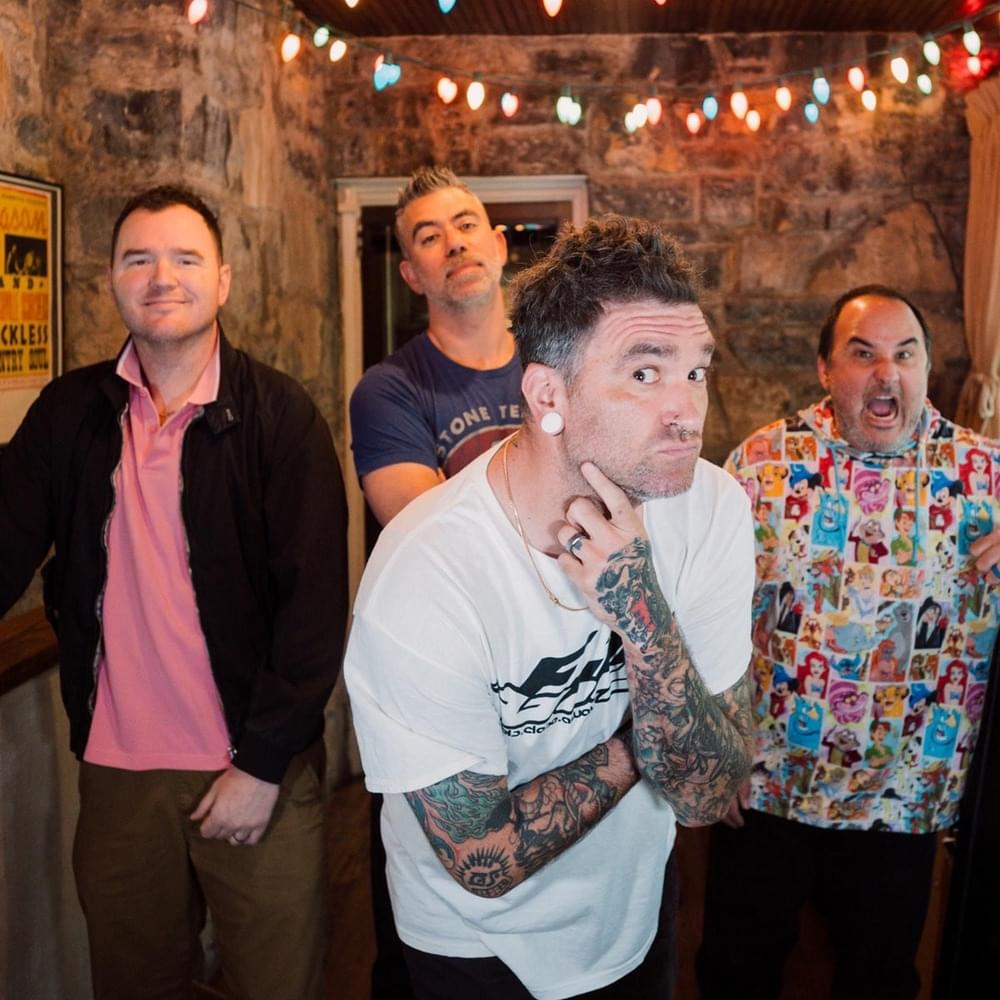
 View Artist