Song Meaning
The lyrics present a stark contrast between two perspectives on work and art, framed by a conversation with a self-proclaimed "artist" friend. The narrator dismisses the friend's claims of a "real gift," attributing his perceived talent to "dumb luck." This immediately sets up a core tension: the romanticized notion of the artist versus the grounded reality of labor. The narrator champions the idea that "all work is honorable," positioning art not as a divine calling but simply "just a job."
The central conflict emerges from the narrator's rejection of artistic exceptionalism and his embrace of a collective "worker" identity. He questions the perceived hierarchy, stating "No heroes, no leaders, no artists, no gods." This isn't a dismissal of effort, but a critique of the elevation of certain types of labor above others. The repeated refrain, "I'm a worker, you're a worker / Wouldn't you like to be a worker too?" acts as an invitation to shed pretension and find solidarity in shared labor, regardless of its perceived prestige.
The lyrics employ a direct, almost conversational tone to dismantle the mystique surrounding artistic creation. The narrator observes his friend's "complex" work that "couldn't sell at an auction," suggesting that artistic merit doesn't always translate to tangible success or even comprehensibility. This observation leads to the pragmatic conclusion that the friend "serves to serve a function," a phrase that could imply utility or simply existence within a system, devoid of grand artistic purpose. The final verse further probes this dichotomy, asking "What's to think / Is the difference between / The tortured artist or the union Joe?" highlighting the potential for similar struggles and outcomes across vastly different perceived roles.
Ultimately, the effectiveness of these lyrics lies in their grounded, anti-elitist stance. By juxtaposing the friend's artistic pronouncements with the narrator's blue-collar pragmatism, the song challenges the listener to reconsider the value placed on different kinds of work. The simple, repetitive chorus grounds the message, making it feel like a shared realization rather than a lecture. It’s this directness, this refusal to romanticize struggle or elevate one profession over another, that makes the narrator's perspective resonate as a call for egalitarian appreciation of labor.
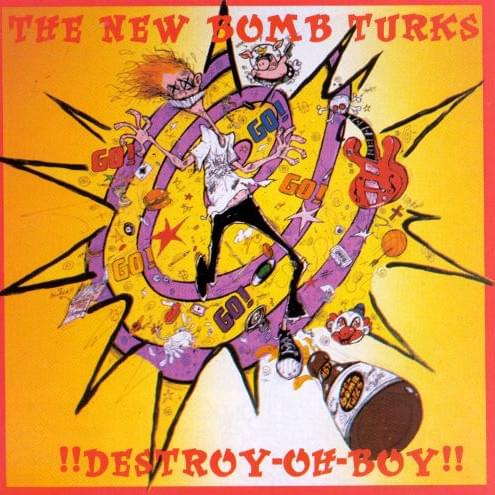
 View Artist