Song Meaning
The lyrics grapple with a profound confusion about love, framed by observations of strained relationships and personal struggles. The narrator sees someone caught in a cycle of work and quiet desperation, questioning their motivations and the nature of their commitments. The repeated phrase "you gotta think" suggests a need for deeper consideration, especially regarding how one's actions impact others, hinting at a disconnect between self-preservation and genuine connection. The narrator's plea, "mama, I hope I dream that you won't leave," and a similar sentiment for "daddy," reveals a personal stake in these relationships, fearing abandonment amidst this existential questioning.
The central tension lies in the contrast between outward appearances and inner realities, particularly concerning the "way he thinks" versus "the way she thinks," and the daily grind versus personal fulfillment. The lyrics describe a life that feels like "hell," where "hours blend" and "thoughts all haunt your hopes, your dreams." This paints a picture of someone trapped, perhaps in a loveless marriage or a soul-crushing routine, leading to the core question: "What is love?" The narrator seems to be searching for a definition beyond mere obligation or routine, questioning if it involves sacrifice or something more profound.
The most striking craft element is the direct, almost childlike questioning of "What is love?" juxtaposed with the complex, weary descriptions of adult life. The repeated chorus, punctuated by the vulnerable query, "Is it giving up?" highlights a deep-seated doubt about the meaning of commitment and sacrifice. This question, "Cause that's not how you raised me, yeah," suggests a conflict between learned values and observed behavior, implying that the current state of relationships doesn't align with foundational principles. The outro, "See, I don't know anymore / I used to look up to that love," powerfully conveys a loss of faith and a disillusionment that stems from witnessing or experiencing a distorted version of love.
These lyrics resonate because they capture a universal feeling of uncertainty when faced with the complexities of relationships and personal sacrifice. The narrator's earnest confusion, rooted in specific observations of hardship and doubt, makes the abstract question of love feel immediate and deeply personal. The writing doesn't offer easy answers but instead lays bare the struggle to reconcile idealized notions of love with the often harsh realities of life, leaving the listener to ponder their own definitions.
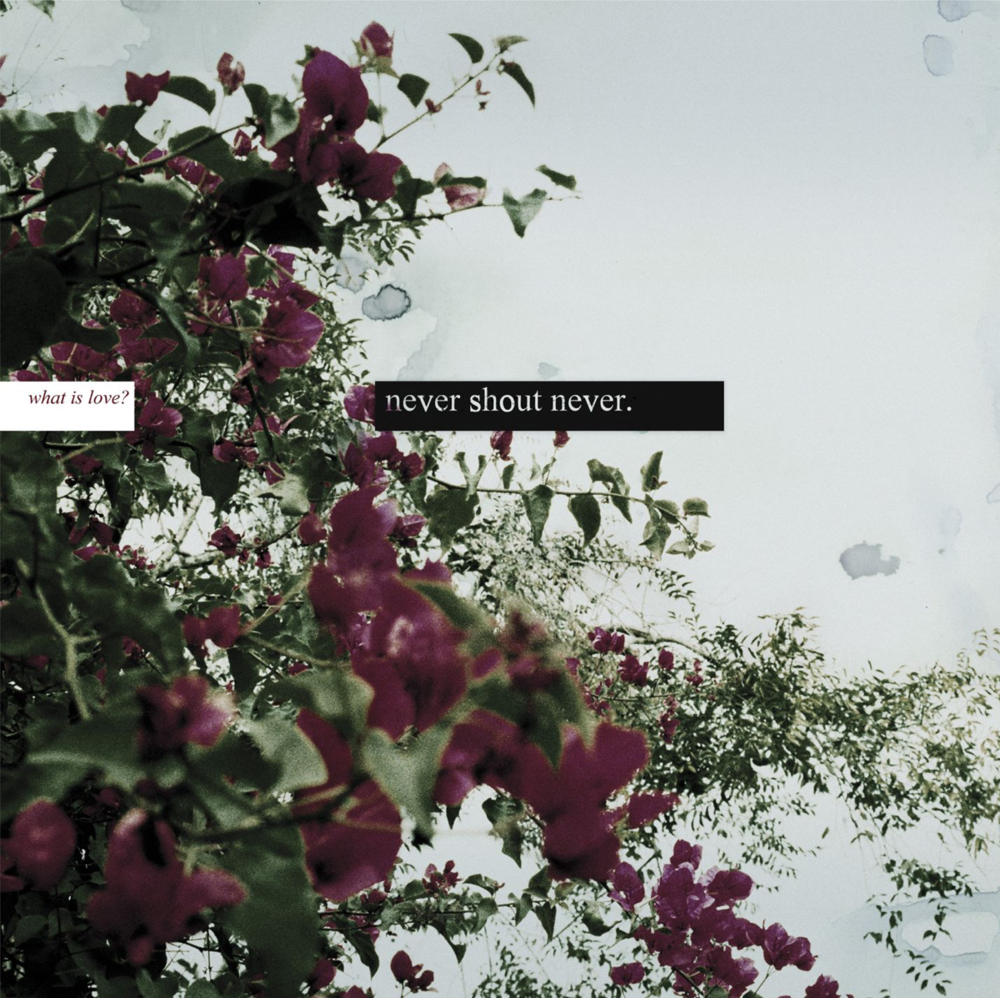
 View Artist