Song Meaning
The narrator is adrift, a profound sense of isolation amplified by the vastness of space. The immediate image is one of being utterly alone, disconnected from any familiar anchor. This isn't just physical distance; it's an emotional void, marked by the absence of a specific, longed-for face. The feeling is one of suspended animation, a slow drift through an indifferent void.
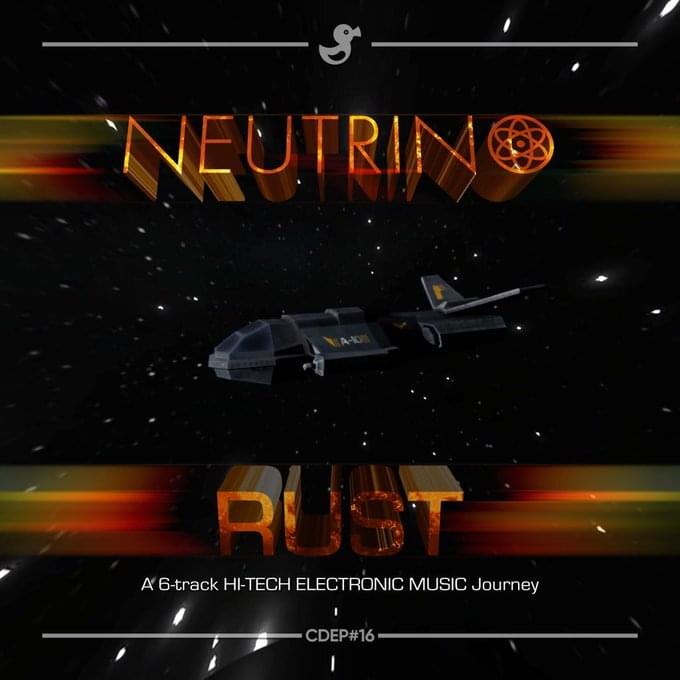
This cosmic loneliness is underscored by a tangible decay: the ship, the narrator's sole means of passage and survival, is succumbing to rust. This imagery suggests not just the passage of time but a deterioration of hope and capability. The contrast between the ethereal "space dust" and the gritty, inevitable "rust" highlights a fundamental tension between the dream of exploration or escape and the harsh reality of decline and being stuck.
The core of the emotional weight lies in the repeated refrain, a desperate plea for connection amidst decay. The narrator is "lost" and "gliding," passive states that emphasize their lack of control. The only active desire is a yearning for home and a specific person, a stark counterpoint to the current, deteriorating reality. The ship turning to rust isn't just a detail; it’s the physical manifestation of the narrator's fading hope and the increasing impossibility of return.
Ultimately, these lyrics resonate because they tap into a primal fear of abandonment and decay, using the extreme metaphor of space to amplify it. The simple, direct language of the refrain makes the longing palpable. The juxtaposition of the grand, cosmic setting with the intimate, personal ache of wanting to be home with someone creates a powerful emotional punch, grounding the vastness in a deeply human need.
 View Artist