Song Meaning
The lyrics paint a picture of nocturnal anxieties, where shadows on the wall aren't just passive darkness but active entities "creep[ing] and crawl[ing]" and even "dream[ing] of waterfalls." This imagery sets a surreal, almost unsettling tone, suggesting that even in stillness, the mind conjures vivid, perhaps escapist, visions. The contrast between the creeping shadows and their dreams of light and water creates an immediate tension, hinting at a desire for something beyond the immediate, stagnant reality.
The core emotional conflict seems to stem from the acknowledgment that "life can be so weird," encapsulated by the striking metaphor of "a bucket full of tears." This isn't a simple expression of sadness, but a visceral image of overwhelming, contained sorrow. Yet, this bleakness is immediately countered by a defiant assertion: "But it's alright." This pivot suggests a hard-won resilience, a refusal to be consumed by the weirdness and the tears, especially with the declaration, "I've seen the light."
The most compelling craft element is the juxtaposition of these heavy, almost despairing images with an almost childlike optimism. The narrator acknowledges the "bucket full of tears" and the "shadows in my dreams" that "paint scenes of time with you," implying past connections or yearning. However, the repeated refrain, "it's alright / I've seen the light / And I've still got time to fly away," acts as a powerful mantra. This repetition, especially the forward-looking "time to fly away," transforms the initial anxieties into a potential for liberation, turning the dream of waterfalls into a tangible possibility.
Ultimately, the effectiveness of these lyrics lies in their ability to articulate a complex emotional state: the recognition of life's inherent strangeness and sorrow, coupled with a determined, almost spiritual, belief in overcoming it. The specific, evocative imagery of creeping shadows and overflowing buckets grounds the abstract feelings of unease and sadness, while the simple, declarative statements of resilience and hope offer a powerful emotional release, making the desire to "fly away" feel earned and deeply resonant.
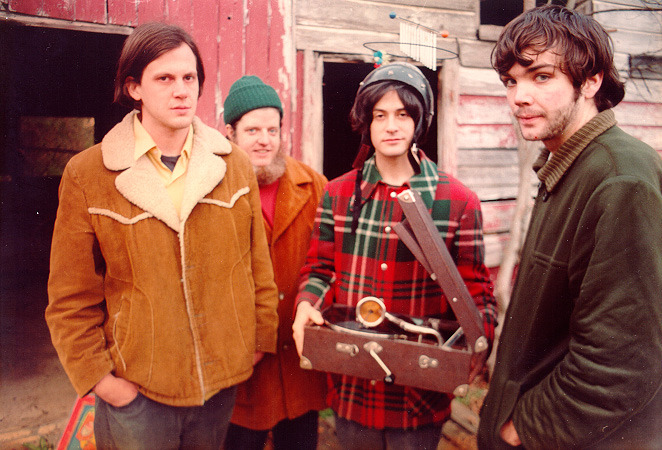
 View Artist