Song Meaning
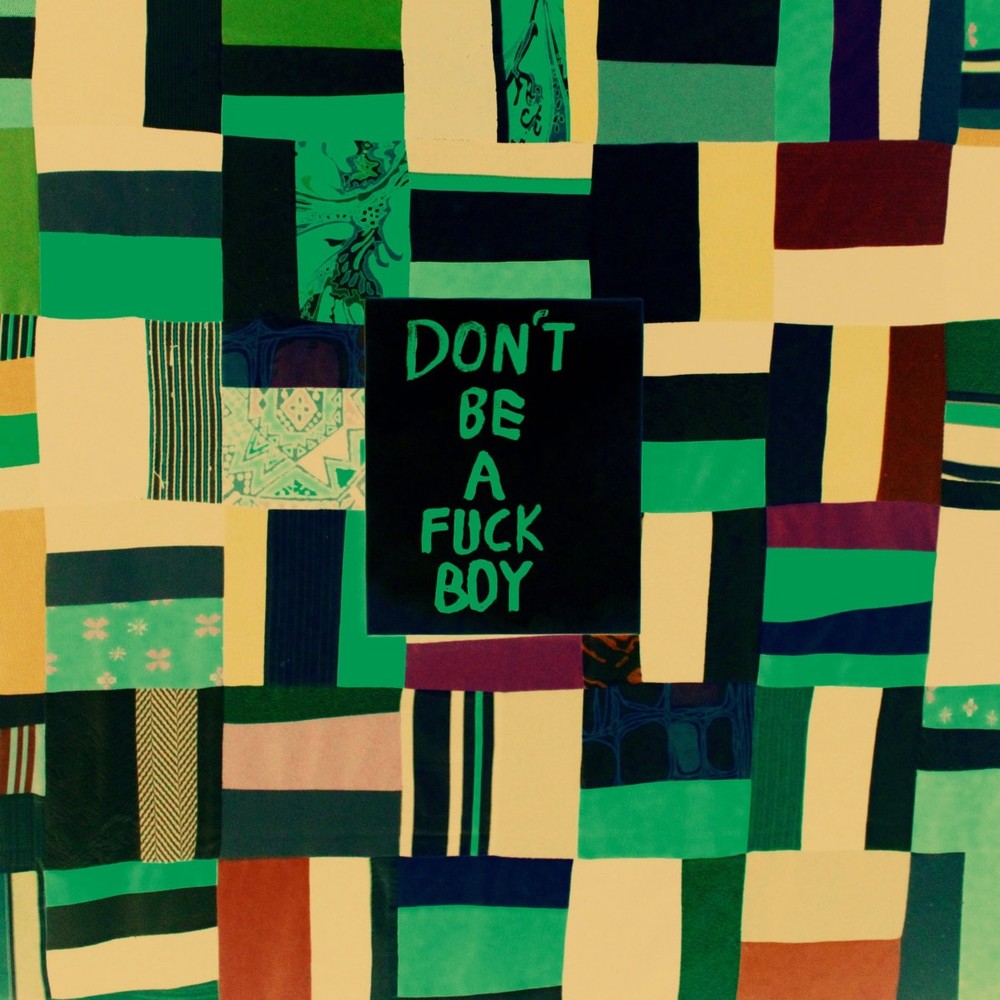
This track kicks off with a weary declaration: "Here's another song about fuck boys." The narrator feels cornered, forced into this repetitive narrative by the sheer ubiquity of these individuals. The immediate tone is one of exasperation, a sense that this is not a choice but a necessity, born from constant negative interactions. The opening lines establish a feeling of being trapped, with the only perceived solution being a drastic geographical escape.
The core tension arises from the narrator's attempt to distance themselves from a specific type of person, yet finding them everywhere. The lyrics paint a picture of these "fuck boys" as a pervasive force, appearing in major cities like Chicago, L.A., and Miami, and even The Bay. This geographical spread underscores the feeling of inescapable presence, making the desire to "never see these fuck boys again" a seemingly impossible goal. The repeated phrase "I don't wanna ever be / Your motherfucking friend" solidifies a boundary, a firm rejection of any further connection.
The most striking shift occurs when the perspective broadens from specific targets to a collective realization. The initial anger directed outward at "motherfuckers" who "wear the same shit" and are "all so basic" gives way to a profound, almost melancholic, self-reflection. The repeated lines "We are all the same / We are all to blame" introduce a complex layer of accountability. The narrator seems to recognize a shared pattern, a cyclical nature to these interactions where perhaps their own choices or perspectives contribute to the problem, blurring the lines between victim and participant.
This lyrical turn is what makes the song resonate beyond a simple breakup anthem. The initial frustration and desire for escape are understandable, but the eventual admission of shared blame and sameness creates a deeper, more introspective impact. The stark, almost clinical listing of "Same eyes / Same face / Same mouth / Same race / Same game / Same taste" followed by "Watch us waste / Away" suggests a bleak, shared destiny. It's this acknowledgment of a collective failing, rather than just individual blame, that elevates the track from a complaint to a somber observation on recurring human patterns.
 View Artist