Song Meaning
The lyrics paint a stark picture of disillusionment and stagnation, contrasting those who arrived with nothing and took what belonged to others with the narrator's own struggles. There's a deep weariness with a life that feels like a constant, unrewarding cycle, where hard work seems to lead nowhere. The repeated phrase "Mellina walo maka" (We're fed up, there's nothing) encapsulates this pervasive sense of being stuck and exploited. The imagery of a life of "3dab f 3dab" (suffering upon suffering) and a heart that "tab" (turned, perhaps in despair or resignation) highlights the emotional toll of this situation. The narrator questions who is responsible for this cycle of hardship, pointing to those who "jaw walo majabo" (came and brought nothing) but took their sustenance without consequence.
The central tension lies in the feeling of being trapped and exploited, leading to a profound exhaustion. The lyrics describe a life where people are "Nassbin dyal w sadin lbab" (claiming what's theirs and closing the door), making it impossible for others to get ahead. There's a sense of injustice, as those who seem to have arrived with nothing have taken their "rze9na" (our sustenance) and are "jamais la tabou" (never repentant). This creates a bitter resentment, expressed through the raw question, "Gouli chkoun li kan sbabo?" (Tell me, who was the cause?). The narrator feels like they are forced to live a life of "tamara" (misery) while others prosper, leading to a deep-seated weariness.
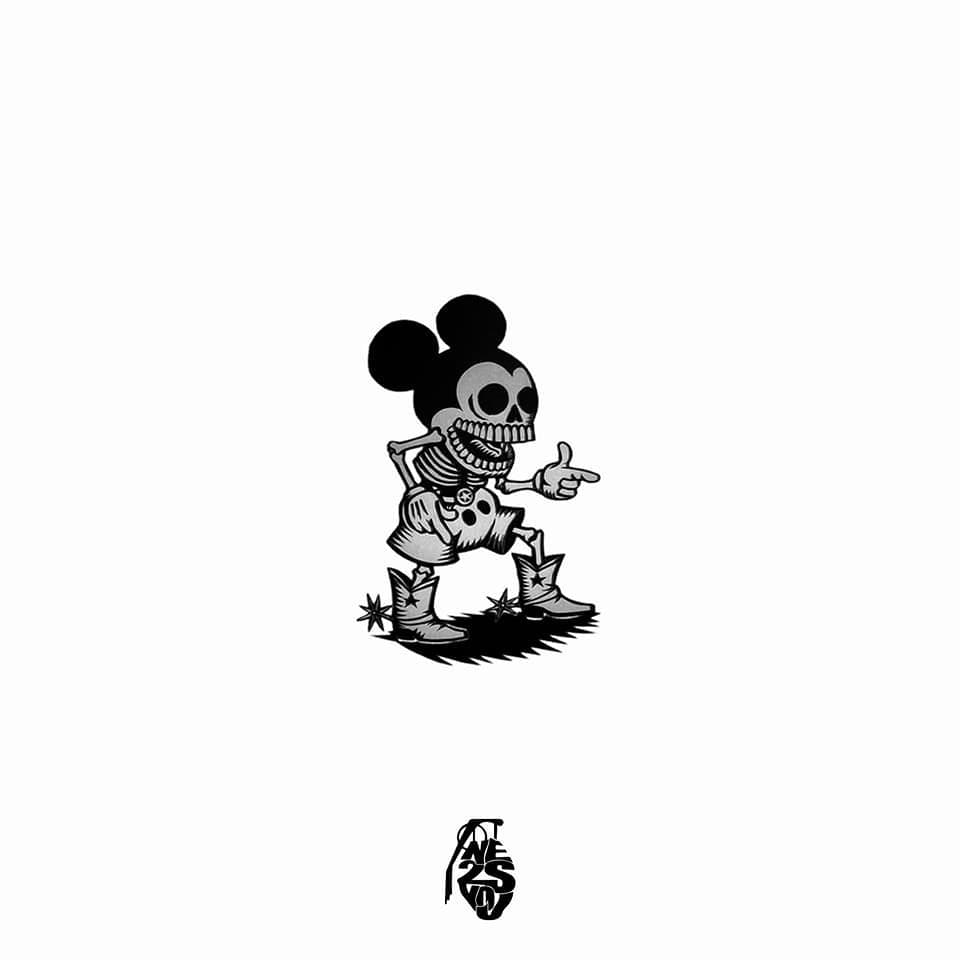
A striking element is the recurring comparison to "Mickey." The narrator is "3yina nkouno ki chi Mickey" (tired of being like Mickey) and "3yina mandiro 3in mika" (tired of putting on a fake face/ignoring things). This suggests a feeling of being forced into a subservient or artificial role, perhaps a clown or a character putting on a brave face despite internal suffering. The desire to shed this "makeup" and "lmertoub" (disgrace/shame) signifies a yearning for authenticity and escape from a demeaning existence. The repeated plea for "chi job bghayna mouka" (a job, we want money/a way out) underscores the desperation for tangible change and a release from this imposed persona.
What makes these lyrics hit so hard is their unflinching portrayal of a specific kind of struggle, grounded in concrete grievances. The directness of the language, the raw emotion, and the vivid imagery of exploitation and despair create a powerful sense of shared frustration. The contrast between the passive suffering of the narrator and the unrepentant actions of others fuels the emotional weight. The desire to break free from the "Mickey" persona and the plea for basic necessities like a job and money resonate as a raw expression of wanting dignity and a way out of a seemingly inescapable cycle.