Song Meaning
Nessa Barrett's "HEARTBREAK IN THE HAMPTONS (Live)" isn't just another tale of woe; it's a meticulously crafted persona of calculated detachment. The song's core revolves around the tension between genuine connection and transactional relationships, presenting a protagonist who weaponizes her emotional unavailability. From the opening lines, Barrett establishes a complex power dynamic: "Kiss me, but remember I'm a gangster / Hold me, but you're never gonna tame her." This isn't vulnerability; it's a warning, a declaration of self-reliance bordering on self-sabotage. The repeated assertion, "I can pay cash for my sins," suggests a belief that material wealth can absolve her of emotional responsibility, a dangerous and ultimately isolating philosophy. The lyrics analysis reveals a character more concerned with control than with authentic intimacy.
The chorus hits hard, solidifying the theme of trading love for luxury. "I'll be cryin' in a mansion / Heartbreak in the Hamptons / Yeah, I'll trade my honey / I'll take the money and run." The setting itself, the Hamptons, becomes symbolic – a playground for the wealthy and a breeding ground for shallow connections. The phrase "diamonds and the damage" encapsulates the song's central conflict: the allure of material possessions versus the inevitable emotional cost. It's a hyper-modern take on the age-old dilemma of choosing between love and money, but with a cynical twist. Barrett isn't just choosing money; she's embracing the sadness that comes with it.
Ultimately, "HEARTBREAK IN THE HAMPTONS (Live)" exposes the emptiness at the heart of superficial success. The outro, a repetition of the line "Money can't buy you happiness / Baby, I'd rather be sad and rich," underscores the protagonist's flawed logic. She acknowledges the inherent unhappiness of her choice, yet doubles down, suggesting a deep-seated fear of vulnerability or a belief that emotional pain is preferable to financial insecurity. The image of "tears rainin' down like the money is" is particularly striking, visualizing the overwhelming sense of loss that accompanies her materialistic pursuit. The song meaning isn't simply about choosing money over love; it's about the psychological defense mechanisms we build to protect ourselves from genuine connection, even if it means sacrificing our own happiness.
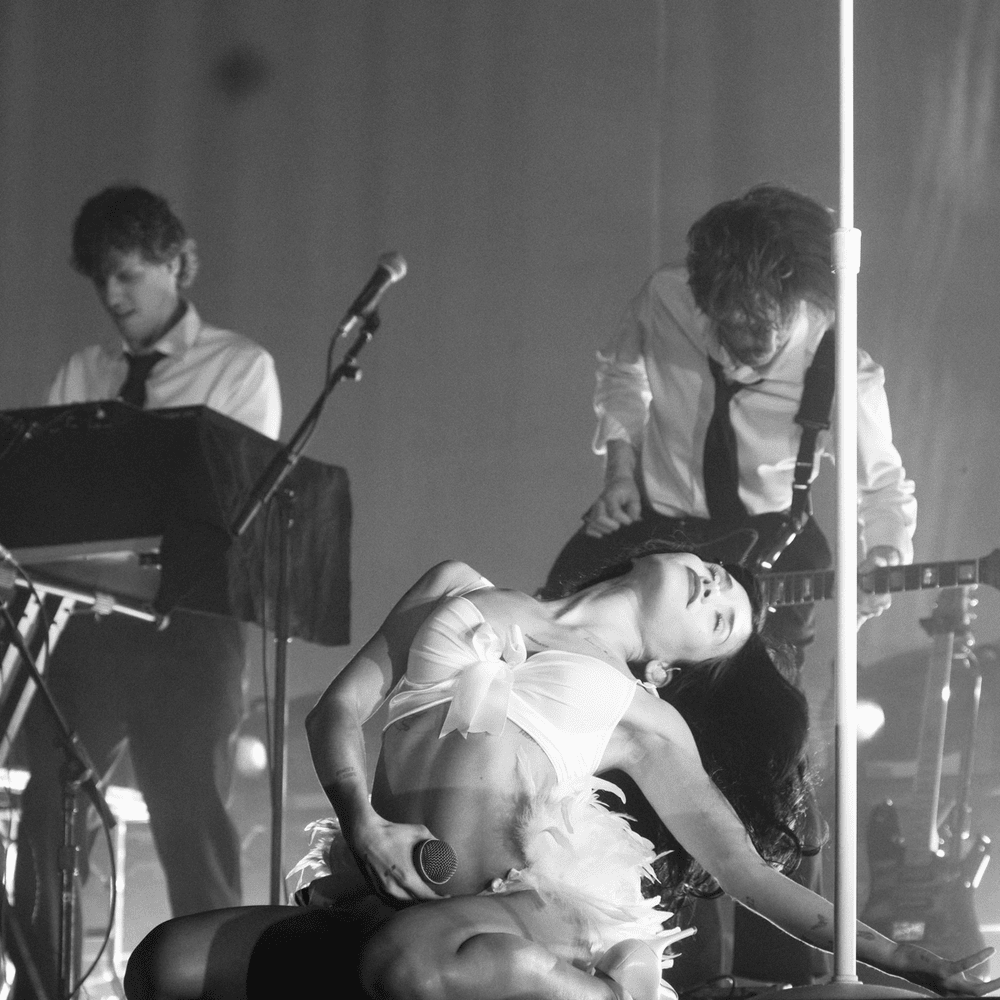
 View Artist