Song Meaning
The lyrics paint a stark picture of confinement, contrasting tangible escape routes with an intangible, perhaps intellectual, one. The "book on the table" and "keys in the door" present a choice: one offers physical egress, the other, a more abstract freedom. Yet, the narrator dismisses the book, stating, "We can't read our way through reinforced concrete walls," highlighting the futility of intellectual pursuits against physical or systemic barriers. The real "message we carry with pride" seems to be resilience or a shared understanding that transcends literal escape.
The central tension lies in the passive acceptance versus active struggle for agency. The chorus declares, "We'll get what we're given if we don't take what we need," a cynical observation on receiving only what is permitted. The repeated line, "No prizes for playing their games," underscores the futility of conforming to oppressive systems. This resignation is juxtaposed with the imperative to "fight 'cause you know that one day you'll find peace," suggesting that struggle, regardless of outcome, is the only path toward eventual solace, whether that peace is found in death, love, or life itself.
The lyrics employ a powerful, almost fatalistic, dichotomy. Verse 2 directly confronts the consequences of inaction: "If we remain peaceful then what happens next / Is not our decision to make." This emphasizes how passivity cedes control to oppressors, whose "terms are dictated" with full awareness of what's at stake. The repetition of the chorus, especially the final line "In death or in love or in life," hammers home the idea that peace is an ultimate, perhaps unattainable, goal that frames the entire struggle, regardless of the specific form it takes.
This writing is effective because it grounds abstract concepts in concrete imagery and a clear moral imperative. The stark choice in Verse 1, the cynical refrain of the chorus, and the direct confrontation of oppression in Verse 2 create a compelling narrative of resistance. The ambiguity of the final peace – "In death or in love or in life" – leaves the listener contemplating the true cost and nature of freedom and fulfillment within oppressive circumstances.
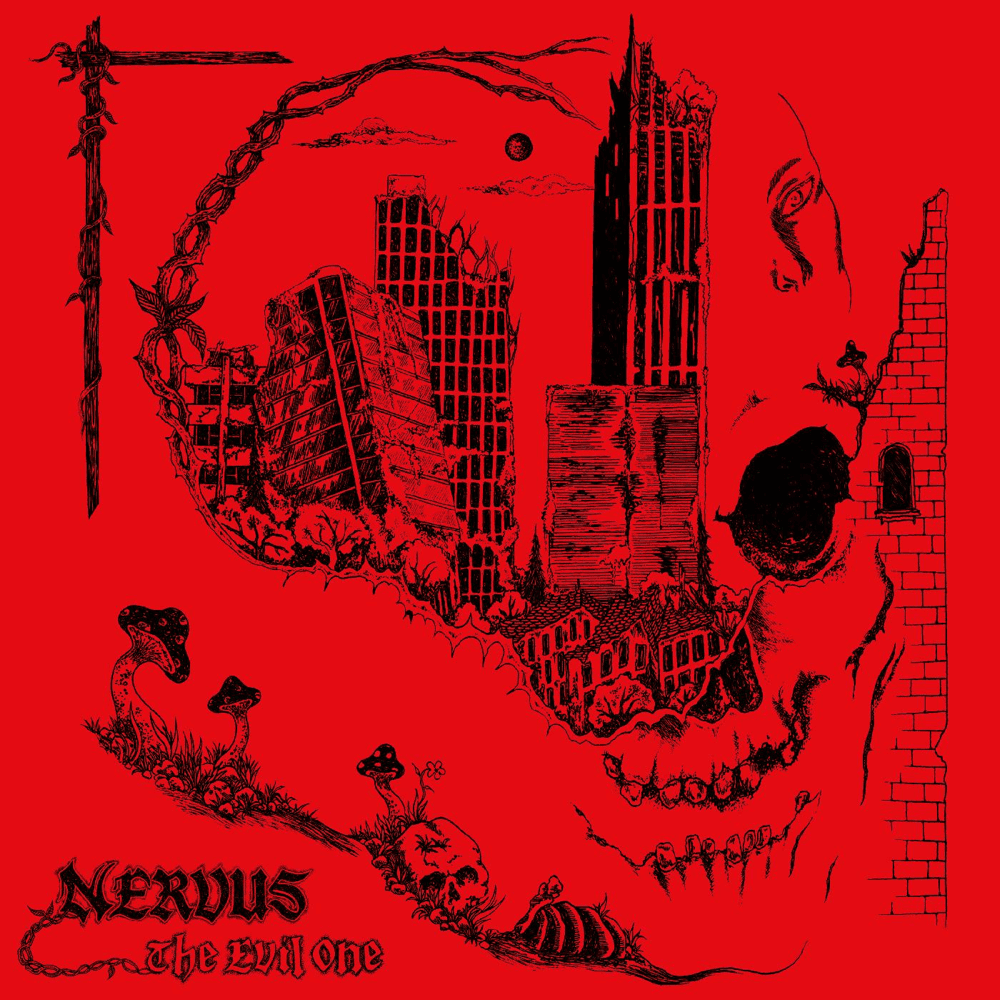
 View Artist