Song Meaning
The lyrics paint a vivid portrait of a mother figure, affectionately dubbed "mamma," who embodies a specific era and set of values. She's described with a "gonna un po' lunga" (slightly long skirt), exuding an "elegantemente Anni cinquanta" (elegantly fifties) style, and is consistently "sincera" (sincere). This initial depiction establishes a tone of nostalgic admiration for a woman grounded in tradition, characterized by her practicality and adherence to "regole" (rules) and "buone maniere" (good manners), qualities the narrator admits they never learned.
The central tension arises from the narrator's own divergence from this maternal ideal, particularly in contrast to the "rock" culture that seems to have influenced them. While the mother represents a "favola degli anni cinquanta" (fable of the fifties), seemingly "lontana" (distant) yet "moderna" (modern) and "magica" (magical), the narrator acknowledges their own inability to master the very virtues she embodies. This is underscored by the repeated line, "Quelle che non ho mai / Saputo imparare," explicitly linking their own shortcomings to the "rock" influence.
The most striking craft element is the juxtaposition of the idealized, almost saintly "mamma" with the narrator's personal rebellion, amplified by the sudden, jarring interjection of "Oh mamma mia mamma mia / Mamma mia let me go / Beelzebub has a devil put / Aside for me." This dramatic shift introduces a darker, almost desperate plea that contrasts sharply with the earlier, gentle adoration. It suggests a deep internal conflict where the narrator feels both bound by and rebelling against the mother's legacy, with the "rock" acting as both an escape and a perceived source of their own perceived failings.
Ultimately, the lyrics resonate because they capture a complex, relatable dynamic: the enduring influence of a maternal figure, especially one tied to a specific, idealized past, on a narrator who feels they've strayed from that path. The "mamma" is not just a person but a symbol of a certain way of being – sincere, proper, and grounded – which the narrator admires but cannot fully emulate, creating a poignant reflection on heritage, personal identity, and the inescapable pull of one's roots, even when those roots are intertwined with a sound like "rock."
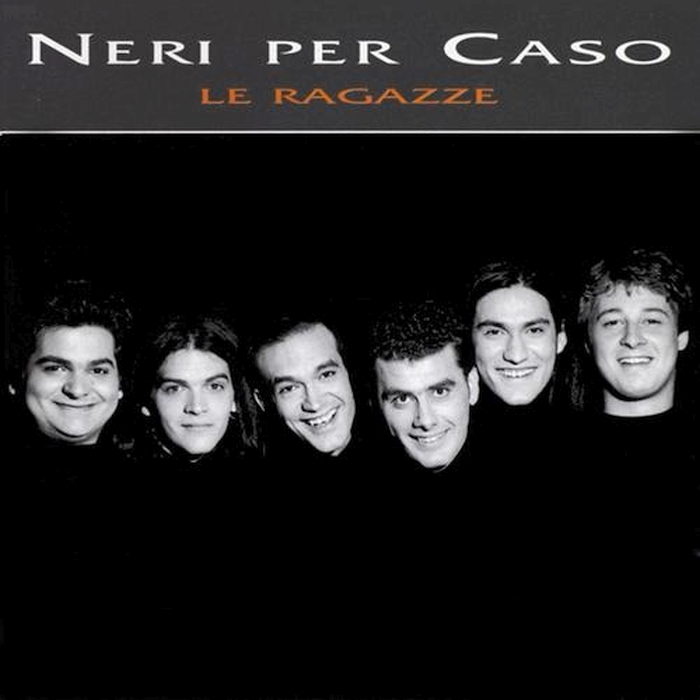
 View Artist