Song Meaning
The lyrics paint a bleak picture of humanity's destructive tendencies, cataloging actions like killing, consuming, stealing, and lying. The narrator dismisses grand metaphysical explanations, focusing instead on the simple, essential human connections of love, friendship, and music. This grounding in the personal stands in stark contrast to the global, self-inflicted doom the narrator observes, particularly concerning the climate crisis and the impending death of the world by 2050. The tone is one of weary, almost sarcastic resignation towards humanity's collective failure.
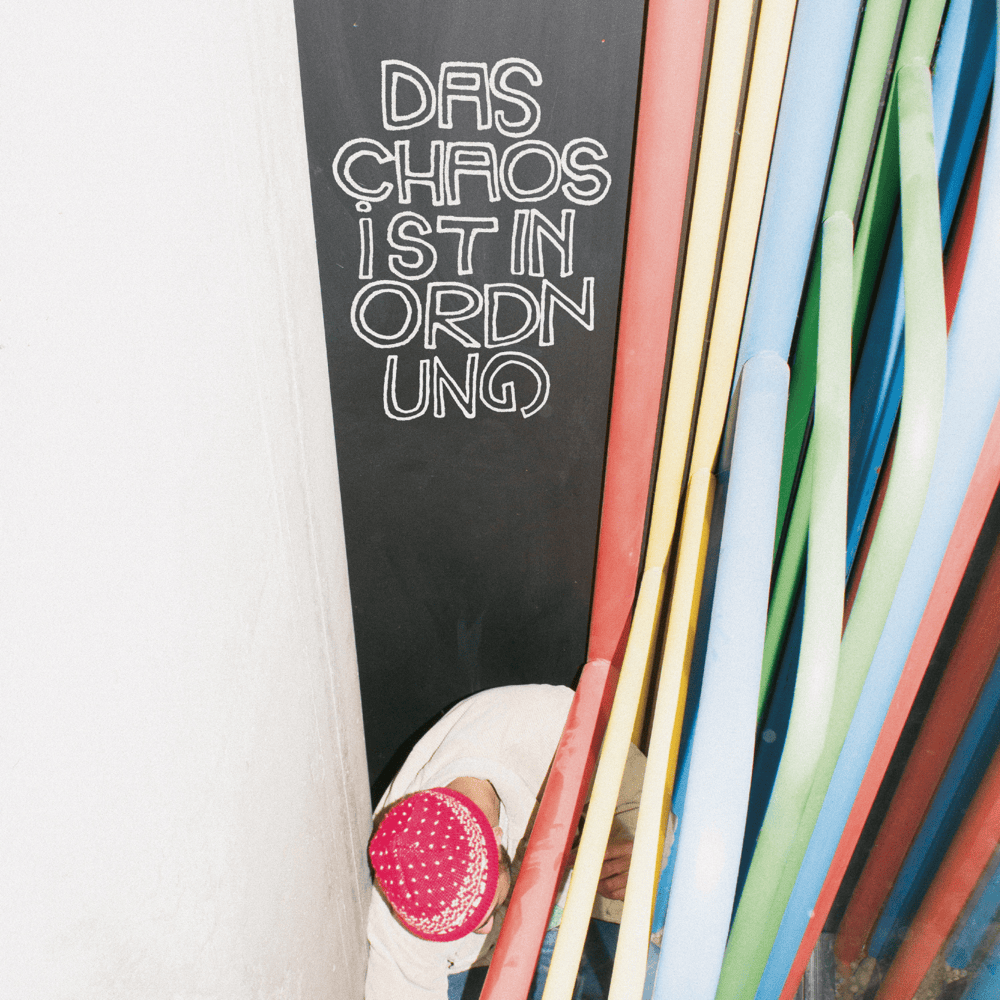
The central tension arises from the juxtaposition of personal values and global destruction. The narrator asserts that the 'right path' is one chosen willingly, positioning themselves as 'extremely chill' rather than radical, especially when compared to the 'climate.' This personal stance feels like a coping mechanism against the overwhelming evidence of societal and environmental collapse. The repeated question in the hook, "Das Chaos ist in Ordnung?" (Is chaos in order?), coupled with the interjections of disbelief, highlights a profound disconnect between the narrator's internal state and the external reality they describe.
The most striking craft element is the ironic embrace of destruction and the absurd. Phrases like "2050 stirbt die Welt, prima" (2050 the world dies, great) and "Applaus an das Menschengeschlecht" (Applause for the human race) drip with sarcasm. The mention of "Claudia Obert ist der Moment unsterblich" (Claudia Obert makes the moment immortal) feels like a non-sequitur, perhaps a specific cultural reference that underscores the absurdity and the narrator's detachment from conventional notions of immortality or value. This deliberate disruption of expected sentiment amplifies the feeling of a world gone mad.
Ultimately, these lyrics hit hard because they articulate a deep-seated anxiety about our collective trajectory, filtered through a lens of personal resilience and dark humor. The writing forces the listener to confront uncomfortable truths about human nature and environmental responsibility, while simultaneously offering a small, defiant space for connection and simple pleasures. The persistent, questioning refrain about chaos being 'in order' leaves a lingering sense of unease, suggesting that perhaps, in our current state, chaos has indeed become the only order we can comprehend.
 View Artist