Song Meaning
These lyrics paint a vivid picture of internal conflict, where every intention seems to backfire. The speaker is caught in a relentless loop of wanting to act but being unable, or acting only to find efforts fruitless. It's a profound sense of futility, ultimately centered on a "Glücksversprechen" or promise of happiness that remains perpetually unfulfilled.
The core tension arises from a pervasive sense of powerlessness, even when agency seems possible. Phrases like "Ich konnte gehen, doch es ging nicht" highlight a frustrating disconnect between desire and reality. This isn't external opposition; it's an internal mechanism where attempts to secure or achieve something paradoxically lead to its loss, creating a deep emotional drain.
The lyrical craft hinges on a relentless string of paradoxes and antitheses, creating a dizzying sense of disorientation. Each line presents a direct contradiction, from the sensory "Raus in die Sonne um mich abzukühlen" to the existential "Es bleibt der Zwang mich frei zu fühlen." This constant inversion of expectation, often delivered with sharp, concise phrasing, makes the speaker's predicament feel inescapable. The clever double meaning in "ich bin bedient" further underscores this weary resignation.
This lyrical strategy effectively conveys a profound exhaustion, not just from effort, but from the very act of living in a world where logic is inverted. The "Glücksversprechen" acts as a weary anchor, suggesting that this cycle of futility is not new, but a long-standing disappointment. The speaker's admission of "eingedöst" while waiting for happiness resonates as a quiet, almost tragic surrender to a reality where desired outcomes are always just out of reach, or worse, actively sabotaged by their own pursuit. The final image, "Sonnebaden in der Nacht," perfectly encapsulates this inverted, unfulfilling existence.
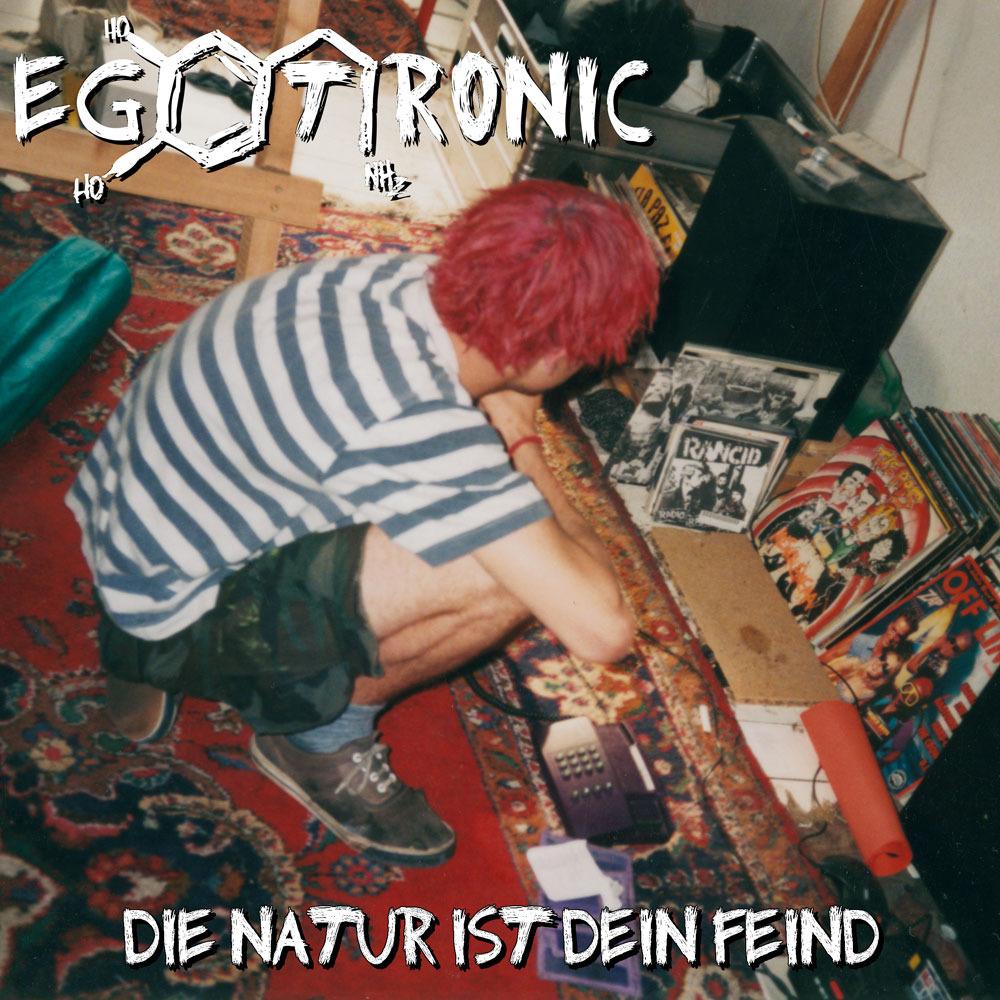
 View Artist