Song Meaning
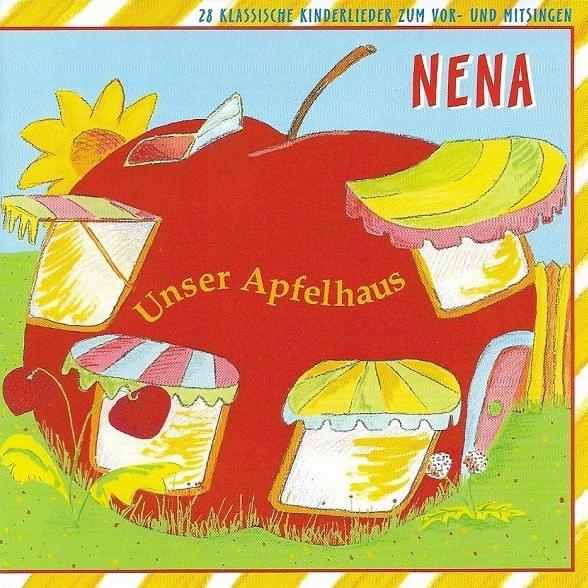
Nena's "Winter ade!" isn't just a children's tune; it's a deceptively simple encapsulation of seasonal shifts and the bittersweet joy of letting go. The direct translation, "Winter, goodbye! Farewell hurts," immediately establishes a core tension. It acknowledges the pain inherent in endings, even when those endings are eagerly anticipated. The winter's departure, while welcome, carries a sting of loss, a recognition of the beauty that existed even in the cold and dormancy. This isn't just about the weather; it's a miniature portrait of how we process transitions in life.
The repetition of "Winter ade, Abschied tut weh" reinforces this melancholic undercurrent. Yet, the subsequent lines offer a counterpoint: "But your farewell makes my little heart laugh." This juxtaposition is crucial. It's not about denying the sadness, but about acknowledging a more profound, perhaps even slightly subversive, joy in the face of inevitable change. The "little heart" suggests a childlike wonder, a renewed capacity for happiness that emerges with the promise of spring. It's the psychological resilience of finding light after darkness.
The slightly menacing line, "If you don't go home soon, the cuckoo will laugh at you," adds another layer. It's a playful threat, a nudge towards acceptance. The cuckoo, a harbinger of spring, becomes a symbol of societal pressure, almost daring winter to overstay its welcome. This isn't just a passive acceptance of the seasons; it's an active participation in the natural order. "Winter ade!" then, becomes an anthem for embracing change, acknowledging the pain of farewell, and finding joy in the cyclical nature of life, all wrapped in Nena's signature, deceptively lighthearted delivery.
 View Artist