Song Meaning
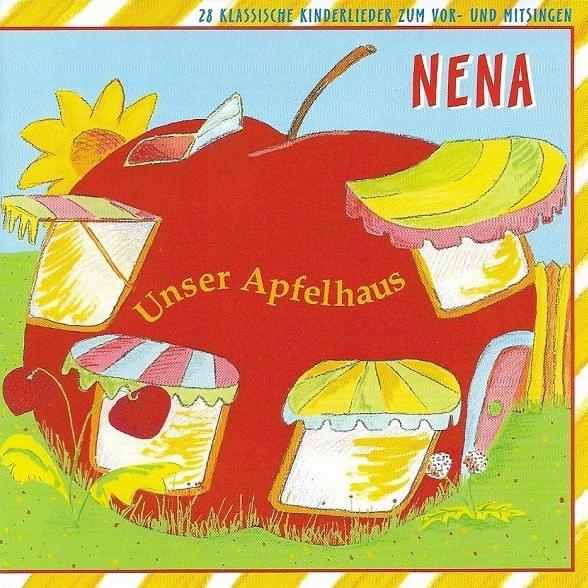
Nena's "Wenn ich ein Vöglein wär'" isn't just a children's rhyme; it's a distilled shot of longing, potent in its simplicity. The lyrics, spare as a winter landscape, paint a picture of frustrated desire. The opening lines, "Wenn ich ein Vöglein wär' / Und auch zwei Flügel hätt' / Flög' ich zu dir" (If I were a little bird / And also had two wings / I'd fly to you), immediately establish this yearning for connection, for the freedom to bypass obstacles and reach a desired person. The image of a bird in flight is a classic symbol of liberation, but here it's deployed with a twist of melancholy. The singer *isn't* a bird, and therefore, that freedom is unattainable. This initial fantasy highlights the stark reality of separation and the powerful pull of someone just out of reach.
The core of the song's meaning lies in the crushing resignation that follows. "Weil's aber nicht soll sein / Weil's aber nicht soll sein / Bleib ich halt hier" (Because it shouldn't be / Because it shouldn't be / I'll just stay here) is repeated like a mantra of acceptance, or perhaps a desperate attempt to convince oneself. The repetition underscores the finality of the situation; it's not just a fleeting thought, but a cemented truth. There's a profound sense of powerlessness embedded in these lines. The reason for the separation remains unspoken, adding to the song's universality. It could be distance, circumstance, or even an unrequited love.
Ultimately, "Wenn ich ein Vöglein wär'" succeeds as a poignant meditation on the limitations of human agency. It’s a miniature study in the psychology of unfulfilled desire, capturing the universal experience of wanting something—or someone—you cannot have. Nena's delivery, even with the song's inherent childlike quality, hints at the deeper emotional currents swirling beneath the surface, transforming a simple verse into a resonant exploration of longing and acceptance.
 View Artist