Song Meaning
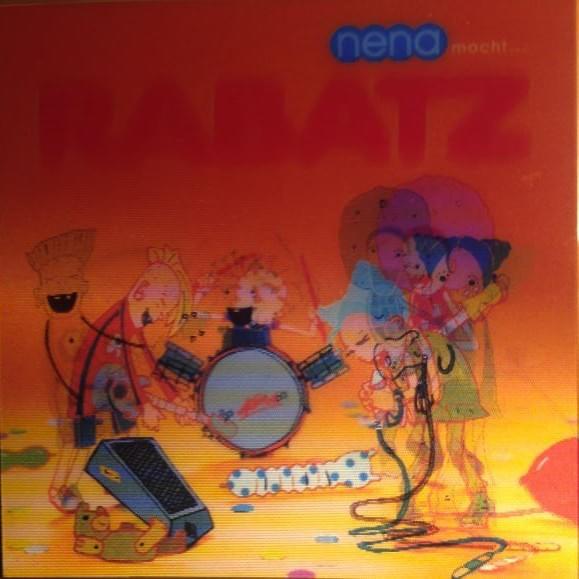
Nena's "Rabatz" isn't just a children's song; it's a primal scream for controlled chaos, a momentary rebellion against the stifling order of domesticity. The lyrics, simple as they are, tap into a universal desire to break free from the constraints of politeness and routine. It's a permission slip, especially for children, to unleash their inner wild things, to revel in noise and disorder, albeit with a wink and a promise not to break anything *too* valuable. The repeated call to "make Rabatz" (roughly translated as "uproar" or "ruckus") serves as both a mantra and an invitation. It’s a fascinating study in the psychology of play, suggesting that even within the safe confines of home, the urge to disrupt, to test boundaries, is fundamental.
But "Rabatz" isn't solely for the kids; it cleverly implicates the parents. The verses directly address "Liebe Mama, lieber Papa," urging them to loosen up, to participate in the joyful anarchy. This is where the song transcends mere childish play and becomes a commentary on the parental role. It subtly critiques the overbearing need for control, the anxieties around maintaining a pristine home, and suggests that perhaps the adults need "Rabatz" just as much, if not more, than their children. The lyrics hint at the possibility of shared joy, a break from the everyday grind, if only the parents would allow themselves to be a little less… parental.
Ultimately, the song's meaning lies in its understanding of the delicate balance between order and chaos, control and freedom. "Rabatz" acknowledges the necessity of rules and routines in maintaining a functional household, but it also recognizes the vital need for occasional, contained explosions of silliness and freedom. It’s a reminder that sometimes, the best way to reconnect with your inner child – and perhaps with your own children – is to let loose, make some noise, and create a little beautiful mess. The song's genius is in its simplicity; it presents a radical idea—unleashed joy—within the most ordinary setting: the family home.
 View Artist