Song Meaning
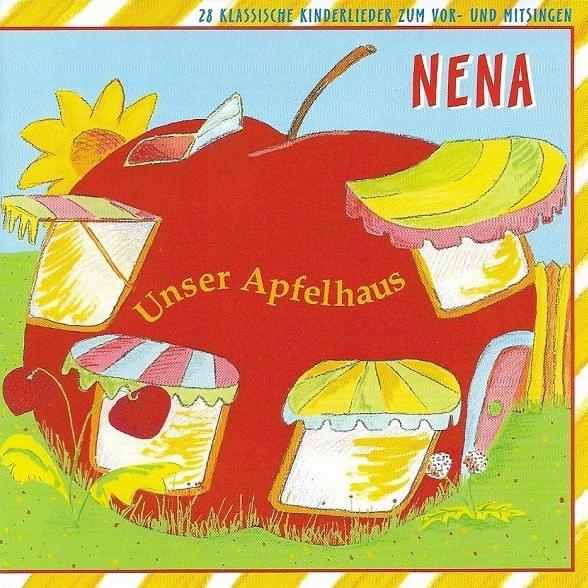
Nena's rendition of "Mein Hut, der hat drei Ecken" isn't just a children's ditty; it's a deceptively simple exploration of identity and belonging, refracted through the lens of German cultural memory. At its surface, the song is a celebration of imperfection. The three corners of the hat, the three holes in the shoe – these aren't flaws to be corrected, but defining characteristics. They are what make the hat *the* hat, the shoe *the* shoe. This embraces a kind of charmingly flawed self-acceptance. To extend that, it could even be a subversive embrace of nonconformity, especially in a culture often perceived as valuing order. The repetition reinforces this idea: it’s a mantra of acceptance, a playful assertion of individuality.
However, the deeper resonance lies in the song's historical context. While the lyrics themselves are fairly straightforward, their enduring popularity in German-speaking countries suggests a connection to collective identity. The song is often taught in early childhood, embedding it deeply within the cultural consciousness. This simple rhyme becomes a shared experience, a common thread woven through generations. It fosters a sense of belonging, a recognition of shared heritage. The hat and the shoe, humble objects, become symbols of a collective 'we.'
Furthermore, a slightly darker interpretation could see the repetition and simplicity as a form of cultural conditioning. The unwavering acceptance of the hat with three corners and the shoe with three holes could be a metaphor for accepting societal norms without question. Is it a celebration of individual quirkiness, or a subtle encouragement of conformity through shared cultural touchstones? The beauty of "Mein Hut, der hat drei Ecken" lies in its ambiguity. It's a children's song that manages to touch upon themes of identity, belonging, and the subtle complexities of cultural transmission, all wrapped up in a catchy, circular melody.
 View Artist