Song Meaning
Nena's "Lied Nummer Eins" isn't just a catchy synth-pop tune; it's a sharp, darkly-humored commentary on the relentless grind of modern life, tinged with a desperate plea for connection. The opening verse throws us headfirst into the morning rush: the insistent alarm, the immediate pressure, the feeling of competition nipping at your heels. It's a world where 'night is gone' and survival feels like a constant battle. The lyrics hint at the dangers of this relentless pursuit – 'Aufstieg, Untergang' (rise, fall) – suggesting that this constant striving can lead to a precarious existence. The warning 'Pass mal auf, du lässt dich fangen' (watch out, you'll get caught) implies a system designed to trap you in its gears. Musically, the driving beat underscores this sense of urgency and anxiety.
The chorus offers a fragile moment of shared experience. 'Ich steh mit dir im selben nebel / Ich steh mit dir im selben licht' (I stand with you in the same fog / I stand with you in the same light) speaks to a collective disorientation, a shared feeling of being lost or confused, yet also finding some solace in shared humanity. This is immediately followed by the admission, 'Wir sind irgendwie verrückt' (we are somehow crazy), a self-aware acknowledgement of the absurdity of the rat race. But it's the subsequent chorus that really hits home: 'Ich geh schon mal voraus / Ich such schon mal das weite / Und wer passt auf mich auf / Lass mich nicht alleine' (I'm going ahead / I'm already looking for the distance / And who's watching over me / Don't leave me alone). This reveals a deep yearning for support and protection, a fear of facing the world's pressures alone.
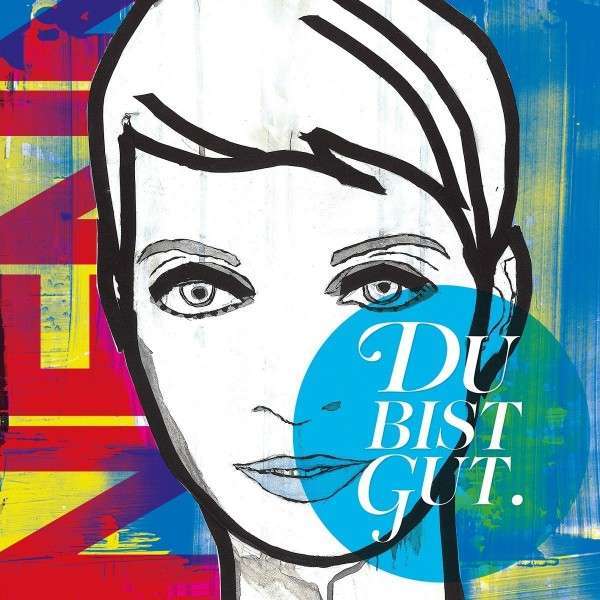
The second verse expands the critique, targeting the 'System' itself. The lines 'Wo ist der garten auf deinem dach / Hältst den ball viel zu flach' (Where is the garden on your roof / You're holding the ball too flat) suggest a loss of perspective, a failure to dream or aim high enough. The stark imagery of 'Menschen tot, alle satt' (people dead, everyone full) paints a grim picture of complacency and the ultimate cost of chasing material comfort. The bridge, a simple repetition of 'Du bist gut, ich glaub an dich / Du bist gut, vergiss das nicht' (You are good, I believe in you / You are good, don't forget that), offers a crucial counterpoint to the song's anxieties. It's a reminder of inherent worth and potential, a message of self-affirmation amidst the chaos. The repetition emphasizes the need for constant reassurance, highlighting how easily we can lose sight of our value in a world that constantly demands more.
 View Artist