Song Meaning
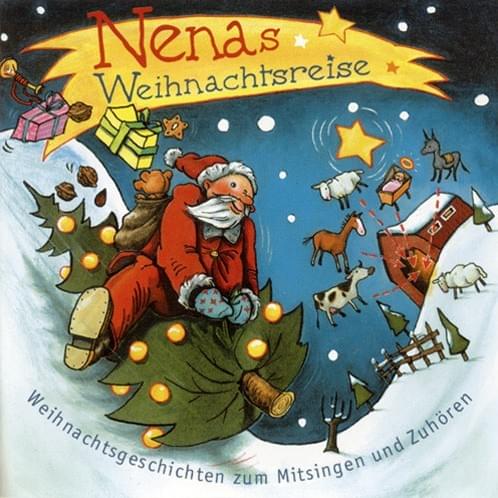
Nena's rendition of "Kling Glöckchen" isn't just a simple Christmas carol; it's a study in vulnerability and the primal need for acceptance. The insistent ringing of the bell, "Kling, Glöckchen, Klingelingeling," acts as a sonic plea, cutting through the winter's chill. The lyrics paint a picture of an outsider, someone exposed to the elements, begging for entry: "Laßt mich ein ihr Kinder / S'ist so kalt der Winter." This isn't merely about physical warmth; it's a yearning for emotional refuge. The winter serves as a metaphor for isolation, a state of being shut out from the communal joy and safety symbolized by the domestic sphere.
The promise of "viele Gaben" (many gifts) introduces a transactional element, hinting at the lengths one might go to in order to gain entry and acceptance. It's a subtle negotiation, an offering of value in exchange for kindness and inclusion. This layer adds a poignant dimension to the song's meaning, touching on the human desire to be valued and loved, and the potential compromises one might make to achieve it. The lyrics don't specify the nature of these gifts, leaving room for interpretation – are they material, emotional, or perhaps even spiritual?
Ultimately, "Kling Glöckchen" transcends its festive facade to explore deeper psychological themes. The final verse, with its request to "Öffnet mir die Herzen" (open your hearts), reveals the core desire: not just shelter from the cold, but a place within the emotional landscape of others. The line "Will drin wohnen fröhlich" (want to live there happily) underscores the longing for belonging, for a permanent space within a community. Nena's interpretation, knowingly or not, taps into the universal human need for connection, making this carol resonate far beyond the holiday season. The song becomes less about Christmas cheer and more about the fundamental human desire to be seen, accepted, and loved unconditionally.
 View Artist