Song Meaning
Nena's "Jung wie du" pulses with a uniquely German brand of optimistic yearning, a sentimentality tempered by a restless drive. The song isn't just about romantic love; it’s about seizing the moment, about hurtling headfirst into an uncertain future fueled by a potent mix of naivete and courage. The opening lines, "Im Sturz durch Raum und Zeit / Richtung Unendlichkeit" (Falling through space and time / Towards infinity), immediately establish a theme of boundless possibility, an escape from the mundane into something vast and unknown. This isn't a passive hope; it's an active, almost reckless embrace of the future. The image of flying "wie Motten in das Licht" (like moths to a flame) acknowledges the potential for self-destruction inherent in such impulsiveness, yet the pull is irresistible. There's a psychological tension here: the awareness of danger juxtaposed with an overwhelming desire for something more. This mirrors the developmental stage of early adulthood, where the thrill of the new often outweighs the fear of failure.
The recurring motif of "Irgendwie, irgendwo, irgendwann" (Somehow, somewhere, sometime) underscores the song’s central theme of hopeful anticipation. It's not a specific plan or destination that matters, but the unwavering belief that something transformative is on the horizon. The line "Liebe wird aus Mut gemacht" (Love is made of courage) suggests that love itself is not a passive emotion, but an active choice, a conscious decision to embrace vulnerability and risk. This resonates with the German concept of *Mut*, which goes beyond simple bravery to encompass resilience and inner strength. The fleeting nature of experience is also acknowledged: "Nur ein kurzer Augenblick / Dann kehrt die Nacht zurck" (Only a short moment / Then the night returns). This awareness of transience adds urgency to the call to action, a reminder that opportunities must be seized before they vanish.
Ultimately, "Jung wie du" is an anthem for those who refuse to be weighed down by cynicism or fear. It's a call to embrace the unknown with open arms, to build castles in the sand, knowing they may not last, but cherishing the act of creation itself. Nena taps into a universal desire for connection and purpose, reminding us that even in the face of uncertainty, the human spirit can remain resilient and hopeful. The repeated invitation, "Gib mir die Hand" (Give me your hand), is not merely a romantic gesture, but an invitation to join a collective movement towards a brighter, albeit undefined, future.
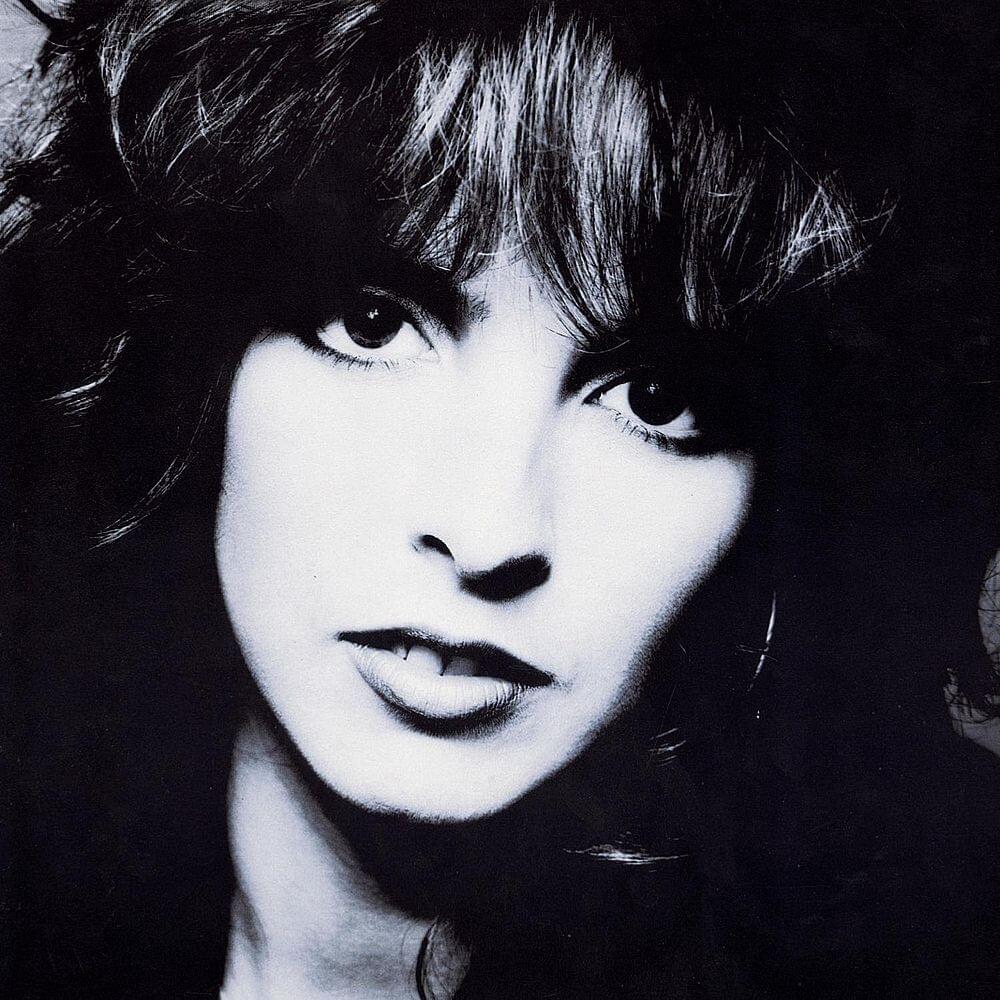
 View Artist