Song Meaning
Nena's rendition of "It's All Over Now, Baby Blue" delivers a stark farewell, steeped in the bittersweet acceptance of endings and the daunting promise of new beginnings. Originally a Bob Dylan composition, the song's power lies in its enigmatic imagery, painting a picture of irrevocable change. The lyrics aren't just about a breakup; they describe a more profound severing – a departure from a former self, a way of life, or a set of beliefs. The opening lines, "You must leave now, take what you need, you think will last / But whatever you wish to keep, you better grab it fast," establish a tone of urgency and finality. There's no room for sentimentality; survival hinges on swift action and a clear-eyed assessment of what truly matters. This is not a request but a command. The repeated refrain, "It's all over now, baby blue," serves as both a lament and a liberation. The use of 'baby blue' itself is ambiguous. Is it a term of endearment turned elegiac, or does it represent a state of melancholy and naivete that must be shed?
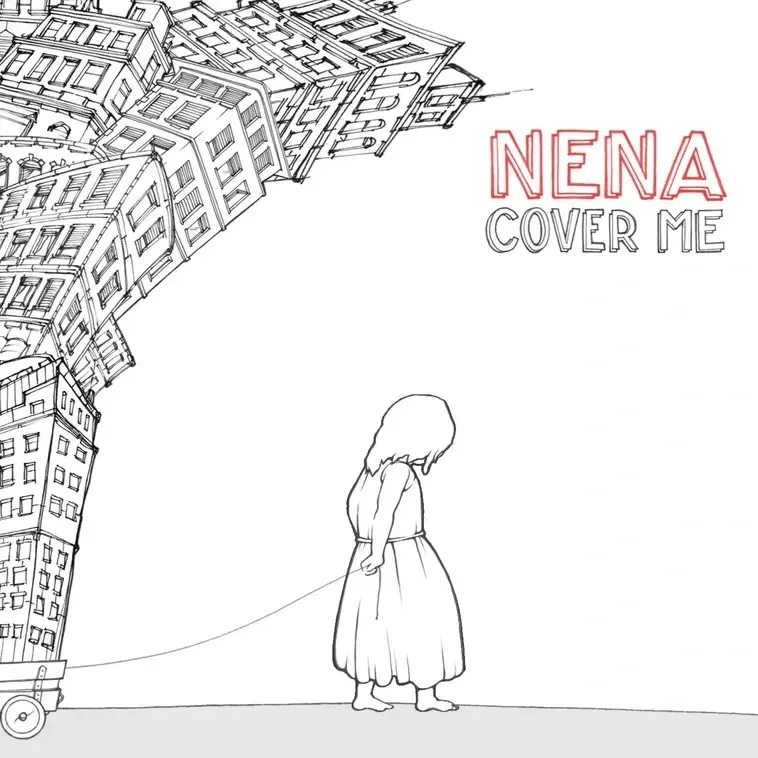
The song's strength resides in its layered symbolism. The "orphan with his gun" evokes a sense of vulnerability and potential violence, reflecting the precariousness of the journey ahead. The "empty-handed painter" suggests a loss of creative inspiration or a disillusionment with artistic pursuits. The highway as a place for "gamblers" indicates the uncertain nature of the future and the risks one must take to navigate it. These images aren't literal; they are psychological landscapes, reflecting the internal turmoil of someone on the verge of a major life transition. The lyrics suggest a world closing in, a sense of being overwhelmed by the past. The lines "The sky, too, is folding over you / Because it's all over now, baby blue" and "The carpet, too, is falling over you" create a claustrophobic atmosphere, as if the protagonist is being swallowed by their surroundings, further reinforcing the necessity to escape.
Ultimately, Nena's performance of "It's All Over Now, Baby Blue" captures the essence of letting go. The lyrics urge the listener to abandon the past, even the parts that once seemed essential. The lines, "Leave your stepping stones behind, there's something that calls for you / Forget the dead you've left, they will not follow you," emphasize the importance of moving forward without being burdened by regret or nostalgia. The song acknowledges the pain of endings, but also hints at the possibility of renewal. The imperative to leave, to forget, to embrace the unknown, speaks to the universal human experience of navigating change and finding the strength to begin again. The "Baby Blue" being addressed here is not just a person, but the listener's former self, being pushed towards a new horizon, a new chapter, however frightening it may seem.
 View Artist