Song Meaning
Nena's rendition of "Im Frühtau zu Berge" isn't just a folksong revival; it's a pointed, if gentle, rebellion against the encroaching anxieties of modern life. The song's surface simplicity—hiking in the early morning, reveling in nature's beauty—belies a deeper yearning for escape and a critique of societal norms that prioritize worry over joy. The "fallera" refrain, repeated throughout, acts as both a musical hook and a symbolic shedding of burdens, a carefree rejection of the weight of responsibility. The lyrics directly address the "alten und hochweisen Leut" (old and wise people), who likely view such carefree wandering as foolish. Nena's version, however, subtly challenges this perspective. It asks, who will sing and enjoy life if everyone is consumed by anxieties (“Grillen fingen”)? This isn't mere hedonism; it's a call to reclaim a sense of childlike wonder and prioritize mental well-being. The act of hiking itself becomes a metaphor for transcending limitations and seeking a higher state of being. The "mountains" represent challenges, yes, but also the opportunity for perspective and clarity. The recurring invitation to "werft ab Eure Sorgen und Qual" (cast off your worries and torments) isn't just a suggestion; it's a direct challenge to the listener's status quo. The song's meaning ultimately hinges on this invitation: to actively choose joy, embrace the present moment, and find solace in the natural world, even if it means defying the expectations of a worry-laden society. It's a timely message, delivered with Nena's signature blend of youthful energy and knowing wisdom. The song subtly suggests that true wisdom isn't found in endless toil, but in the ability to appreciate the simple beauty of a sunrise and the freedom of a mountain path.
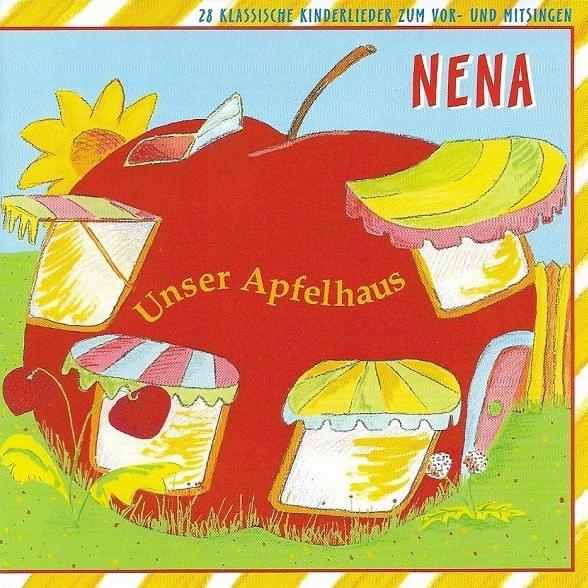
 View Artist