Ich tanz allein
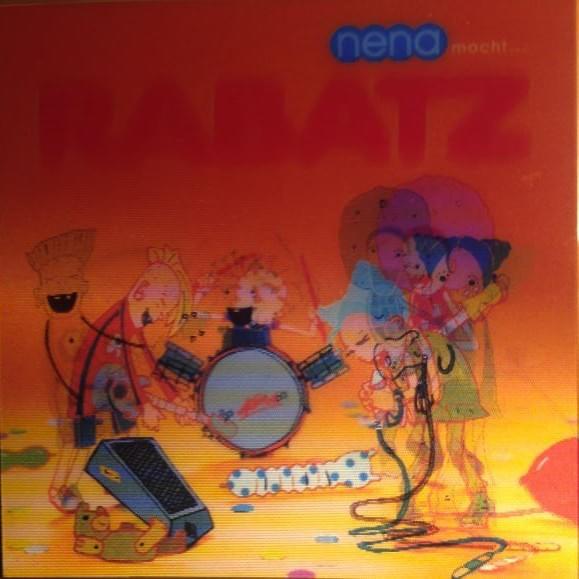
 View Artist
Lyrics
Language:
Ich würde gerne tanzen Ich tanz' auch mal allein Zu zweit wär's vielleicht schöner Doch das muß nicht immer sein - Ich tanz' allein Ich tanz' allein Der Rhythmus ist ein Rhythmus Bei dem man einfach mit muß Die anderen überlegen noch Ob sie's nicht tun oder doch - Ich tanz' allein Ich tanz' allein Und während ich so tanze Fangen sie an, Möbel zu rücken Zum Tanzen braucht man Platz Und alle helfen, schieben und drücken - Ich tanz' immer noch allein Ich tanz' immer noch allein Das Wohnzimmer ist jetzt eine Kinderdiskotheke Die Tanzfläche ist ganz voll Endlich tanzen alle, alle die da sind Ich tanz' nicht mehr allein Und find's toll Ich tanz' nicht mehr allein
Rate this song
0/5.0 - 0 Ratings
5
0.0% (0)
4
0.0% (0)
3
0.0% (0)
2
0.0% (0)
1
0.0% (0)
Loading comments...
Credits
Credits Not Found