Song Meaning
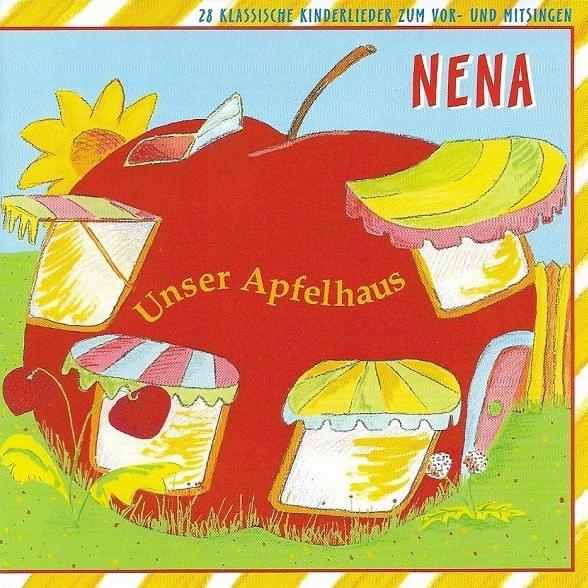
Nena's deceptively simple "Häschen in der Grube" operates on multiple levels, a children's rhyme that subtly hints at deeper anxieties. On the surface, it's a straightforward narrative: a little rabbit is first found listless and then warned of danger. The repetition and simple vocabulary reinforce this initial impression of innocence, a song meant to entertain and perhaps gently instruct young children about the world's potential hazards. The "Häschen hüpf!" sections aim to invigorate, while the second verse introduces a clear threat, the dog with a "scharfen Zahn," prompting urgent action: "Häschen, lauf!" This immediacy speaks to a primal understanding of danger, a fundamental lesson in self-preservation. The song's charm lies in its catchy simplicity, embedding this lesson in a memorable form. The song is also very famous in Germany, where it is taught in kindergarten, and the song is considered a children's song. The meaning behind this song is more easily understood when one is aware of the context in which Nena produced most of her music.
However, the song's seeming naivete invites a closer look. The initial image of the rabbit "saß und schlief" (sat and slept) can be interpreted as a state of vulnerability or even depression. Why is the rabbit unable to hop? Is it merely sick, or is there a deeper malaise? This opens the door to a psychological interpretation, where the "Grube" (pit) becomes a metaphor for a state of emotional stagnation. The call to "Häschen hüpf!" then becomes a desperate attempt to overcome this inertia, a plea for vitality and engagement with life. Even the warning about the dog can be seen as representing broader societal dangers or internal fears that prevent one from living fully. The rabbit's struggle resonates with the human experience of confronting obstacles and striving for freedom and well-being.
Ultimately, "Häschen in der Grube" succeeds as a deceptively layered work. While children may simply enjoy the rhythm and cautionary tale, older listeners can appreciate the subtle undercurrents of anxiety and the enduring human desire to overcome adversity. Nena's delivery, regardless of whether she's aware of the song's deeper meanings or not, adds to this contrast, presenting a cheerful facade over potentially darker themes. It's this duality that gives the song its lasting power and makes it more than just a simple children's rhyme; it's a meditation on vulnerability, resilience, and the constant need to be wary of the world's sharp teeth.
 View Artist