Song Meaning
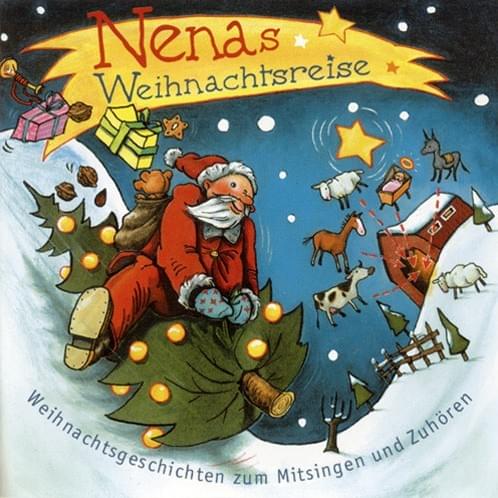
Nena's "Die Geschichte Maria und Josef (Teil 3)" isn't just a simple Christmas carol; it's a psychologically astute portrayal of finding solace in the most unexpected places. The lyrics, sung in German, paint a scene of exhaustion and desperation as Mary and Joseph arrive at a humble stable. The power here lies not in grand pronouncements, but in the intimate details: the animals' warm welcome, the specific count of oxen, cows, goats, and sheep. These details ground the mythical in the tangible, suggesting that even in divine narratives, the human need for comfort and acceptance remains paramount. The specificity of the animals suggests a very human empathy – a sense of belonging that transcends species.
The imagery of the stars, particularly the largest one shining directly on Mary through a crack in the roof, evokes a sense of divine attention, but without the triumphalism often associated with religious narratives. Instead, there's a quiet intimacy, reinforced by the angels singing a soft lullaby. This focus on the gentle and the quiet suggests a deeper exploration of motherhood and the profound vulnerability inherent in bringing new life into the world, especially under duress. The song strips away the pomp and circumstance, highlighting the raw, emotional core of the nativity story.
Ultimately, "Die Geschichte Maria und Josef (Teil 3)" uses the familiar biblical narrative to explore themes of refuge, acceptance, and the quiet dignity of new beginnings. It's a reminder that even in the face of hardship, warmth and kindness can be found, and that even the most extraordinary events are rooted in ordinary human experiences. The song's meaning resonates not just as a religious story, but as a powerful commentary on the enduring human need for connection and comfort.
 View Artist