Song Meaning
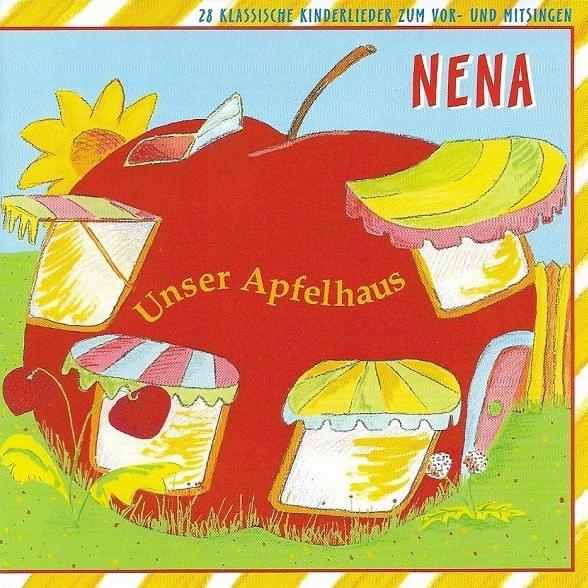
Nena's rendition of "Der Winter ist vergangen" isn't just a song; it's a sonic rebirth, a visceral shedding of winter's skin. The lyrics, steeped in the tradition of German folk poetry, paint a vivid landscape of spring's triumphant return. But the song's genius lies not merely in its pastoral imagery, but in how it mirrors the internal landscape of the human psyche. The initial lines, "Der Winter ist vergangen / Ich seh des Maien Schein," aren't just about the changing seasons. They speak to a profound psychological shift, the awakening after a period of dormancy or hardship. The blossoming flowers and singing birds become external manifestations of inner joy and renewed hope. It's the emotional resonance that elevates this simple folk song. The nightingale's song and the lark's ascent symbolize freedom and self-expression. The bees diligently crafting their "süßes Wunderwerk" (sweet miracle) hint at the potential for creation and productivity that lies dormant within us, waiting for the right season to flourish.
The recurring theme is one of sensory awakening. Each verse introduces a new element of the vibrant spring tableau – the rustling of the hare, the grazing cattle, the cuckoo's call. This sensory overload isn't just descriptive; it's designed to evoke a feeling of immersion, a complete absorption into the revitalized world. The lyrics emphasize the interconnectedness of nature, where every element plays a crucial role in the symphony of spring. This is not just about observation; it’s about active participation. "Die Menschen hörn's so gerne / Und sind der Freuden voll" (The people hear it so gladly / And are full of joy). The human response to this natural spectacle is integral to the song's meaning. It suggests that our capacity for joy is directly linked to our ability to connect with and appreciate the world around us.
Ultimately, "Der Winter ist vergangen" is a powerful metaphor for personal transformation. It's a reminder that even after the coldest and darkest of times, the potential for renewal and joy always exists. Nena’s interpretation, while rooted in tradition, manages to tap into a timeless psychological truth: that spring is not just a season, but a state of mind. It's about recognizing the beauty and potential within ourselves and in the world, even after periods of stagnation or despair. The song gently urges us to throw open the windows of our souls and breathe in the fresh air of possibility.
 View Artist