Song Meaning
The lyrics paint a picture of absolute devotion, where the narrator's entire sense of direction and belonging is tied to another person. The opening lines establish a clear dependency: "Ott van az én utam / Ahol te jársz" (My path is where you walk) and "Ott van az én helyem / Ahol te vársz" (My place is where you wait). This isn't just about proximity; it's about the other person defining the narrator's existence and purpose.
The central tension arises from this profound reliance. The narrator sees themselves reflected in the other person's gaze, "A szemed izzó tüzén magamat látom meg én" (In the fiery blaze of your eyes, I see myself). This suggests a merging of identities, where the narrator's self-worth and perception are contingent on being embraced, "Amikor érzéssel karodba zársz!" (When you hold me in your arms with feeling!). The repetition of "Csakis ott van az én utam" (Only there is my path) reinforces the exclusivity and unwavering nature of this commitment.
The most striking aspect is the framing of this path through both light and shadow. The narrator declares their path is "Fényben és árnyékban / Mellettem állsz" (In light and shadow, you stand beside me). This duality suggests a willingness to follow through any circumstance, good or bad, emphasizing a loyalty that transcends simple happiness. The phrase "Örömön át, gondokon át" (Through joy, through troubles) further solidifies this unwavering dedication, culminating in the simple, powerful declaration: "És követlek én!" (And I will follow!).
This unwavering commitment is what makes the lyrics resonate. The writing strips away complexity, focusing on a pure, almost primal, drive to follow and be guided. The structure, with its repeated declarations and the final, echoing "És követlek én!", creates a sense of inevitability and absolute surrender. It's a raw expression of finding one's entire world in another person, no matter the conditions.
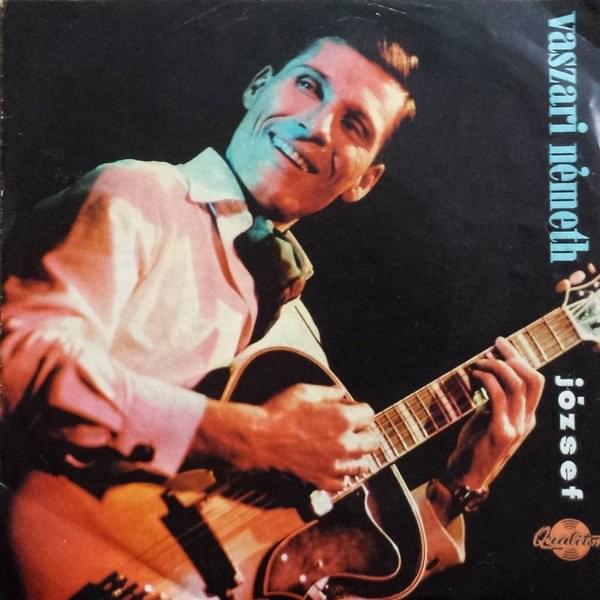
 View Artist