Song Meaning
The lyrics paint a picture of a passionate, almost obsessive love, centered around a figure called "Doidivana." The narrator describes these nights as empty without her, yet she becomes the sole focus and "reason" for his days. This intense devotion is presented as a stark contrast to his past, where he "denied this love to so many women." It suggests a singular, all-consuming affection that sets this relationship apart.
The central tension lies in the narrator's acknowledgment of "Doidivana's" perceived madness, calling her "doida" (crazy) and "doida varrida" (completely mad). However, this perceived madness is precisely what draws him in. He admits, "And I wanting you, I am crazy too," directly linking his own sanity or lack thereof to her. This creates a dynamic where their shared "craziness" is the foundation of their bond, a mutual descent into an all-encompassing passion.
The craft here is in the direct address and the repetition of "Doidivana," which acts as both an endearment and an acknowledgment of her wild nature. The phrase "Sou doido também" (I am crazy too) serves as a powerful refrain, cementing the idea that his love for her is so profound it renders him equally "mad." The lyrics also use a defensive tone against unnamed "calumniators" who "don't know the agony" he experiences, implying their judgment is based on ignorance of the depth of his feelings and the unique nature of their connection.
Ultimately, the effectiveness of these lyrics stems from their raw, unashamed declaration of a love that defies conventional sanity. The narrator doesn't shy away from calling his beloved (and himself) "crazy"; instead, he embraces it as the very essence of their intense, perhaps destructive, but undeniably powerful bond. It's this unapologetic embrace of a shared, wild love that makes the sentiment resonate.
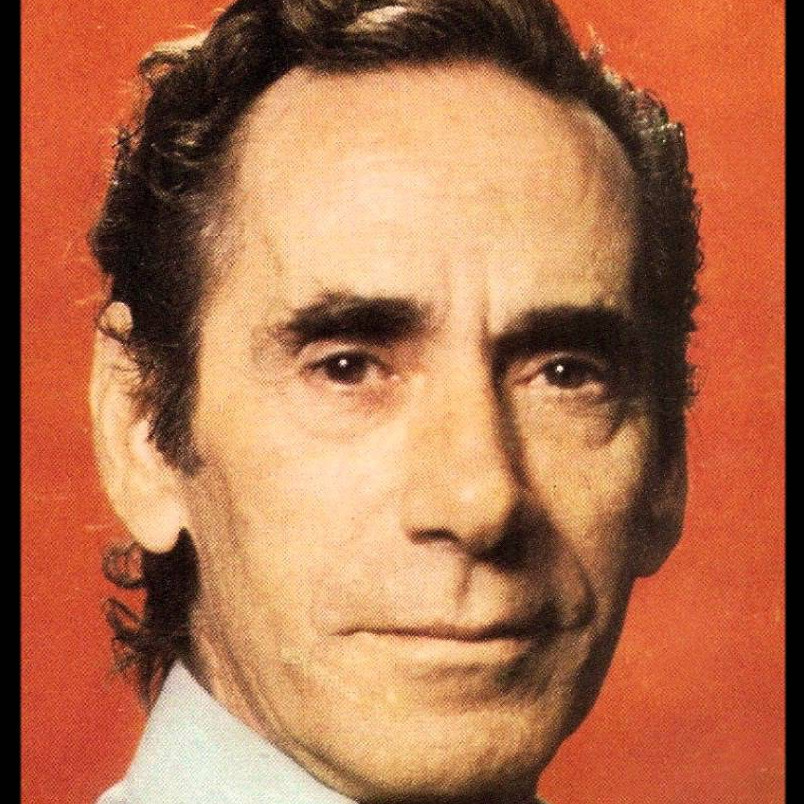
 View Artist