Song Meaning
The lyrics paint a picture of constant, inevitable change, likening life to the ceaseless motion of the sea. The opening lines immediately establish a sense of impermanence: "Nada do que foi será / De novo do jeito / Que já foi um dia." This sets a tone of gentle resignation, acknowledging that the past cannot be replicated and that everything is in flux. The core message is that life itself is a continuous flow, an "indo e vindo infinito," much like the tide.
This cyclical nature of existence is further emphasized by the observation that "Tudo passa / Tudo sempre passará." The lyrics suggest that clinging to the past or trying to halt the present is futile. There's a profound sense of acceptance here, not necessarily joyful, but a recognition of reality. The world is presented as a dynamic entity where "Tudo muda o tempo todo / No mundo," reinforcing the idea that stasis is an illusion.
The central metaphor is powerfully sustained: life arrives "Como uma onda no mar." This image is repeated four times at the end, hammering home the central theme. It's not just about change, but about the rhythm and force of that change. The lyrics propose that trying to "fugir / Nem mentir pra si mesmo agora" is pointless because this oceanic movement is an intrinsic part of being alive. The "vida lá fora" and "aqui dentro" are both subject to this same ceaseless, wave-like progression.
What makes these lyrics resonate is their simple, direct language combined with a profound, almost meditative observation of natural processes. The repetition of "Como uma onda no mar" acts like a mantra, guiding the listener toward acceptance of life's transient nature. It's a quiet acknowledgment that we are all carried along by forces larger than ourselves, a universal experience distilled into a single, potent image.
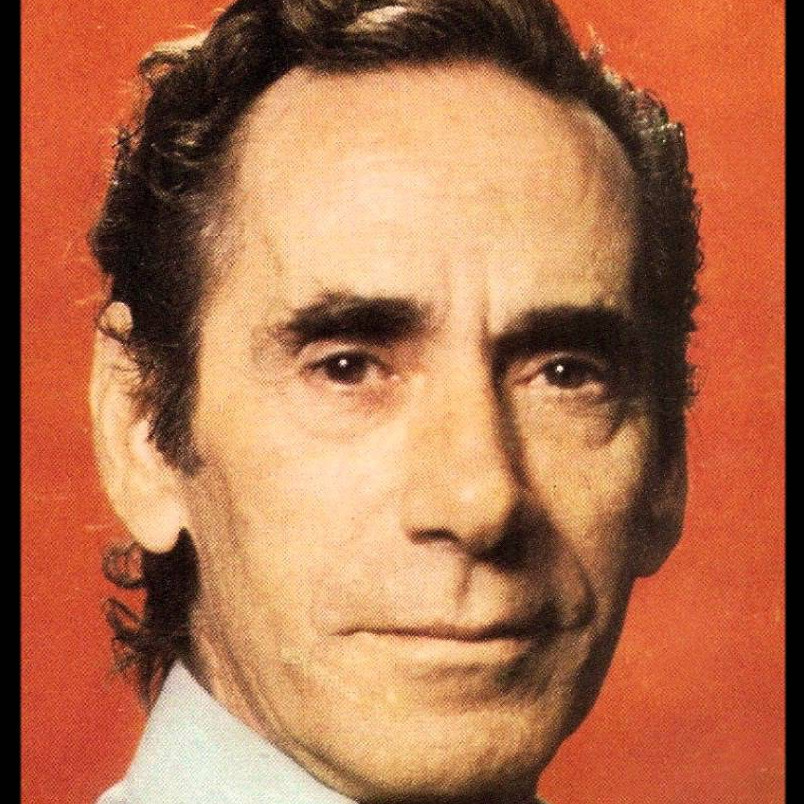
 View Artist