Song Meaning
The lyrics paint a picture of profound loneliness, tinged with a desperate longing for a promised presence. The narrator begins by acknowledging that not everything is fleeting, referencing a past assurance of permanence. However, this is immediately contrasted with the sharp pain of betrayal and the subsequent "feast of loneliness." The initial gratitude for someone who was supposed to offer warmth now feels hollow, setting up the central question: "Where are you now?"
The core tension arises from a broken promise. The narrator recalls a vow of unwavering support – "even if I push everyone away, you said you’d hold my hand tight." This declaration now hangs heavy, as the narrator is left alone, questioning the whereabouts and actions of the person who made it. The lyrics suggest a stark contrast between past assurances and present abandonment, creating a palpable sense of hurt and confusion.
The writing skillfully uses imagery to convey the narrator's state. The "shattered mirror of conscience" and the "dust of guilt" piled high imply a reckoning that the other person seems to be avoiding. This is juxtaposed with the narrator's own vulnerability, "even if I stumble from exhaustion, you said you’d believe in me." The repeated question, "Where are you now?" acts as a desperate refrain, emphasizing the void left by the absent figure.
Ultimately, the effectiveness of these lyrics lies in their raw portrayal of disillusionment. The narrator’s search is met with silence – "I can’t see any form, I can’t hear any answer." This absence is devastating, leading to the painful conclusion: "Did you leave again? Is that what happened?" The song captures the ache of realizing a promised sanctuary was never truly there, leaving the narrator adrift in the very loneliness they were meant to escape.
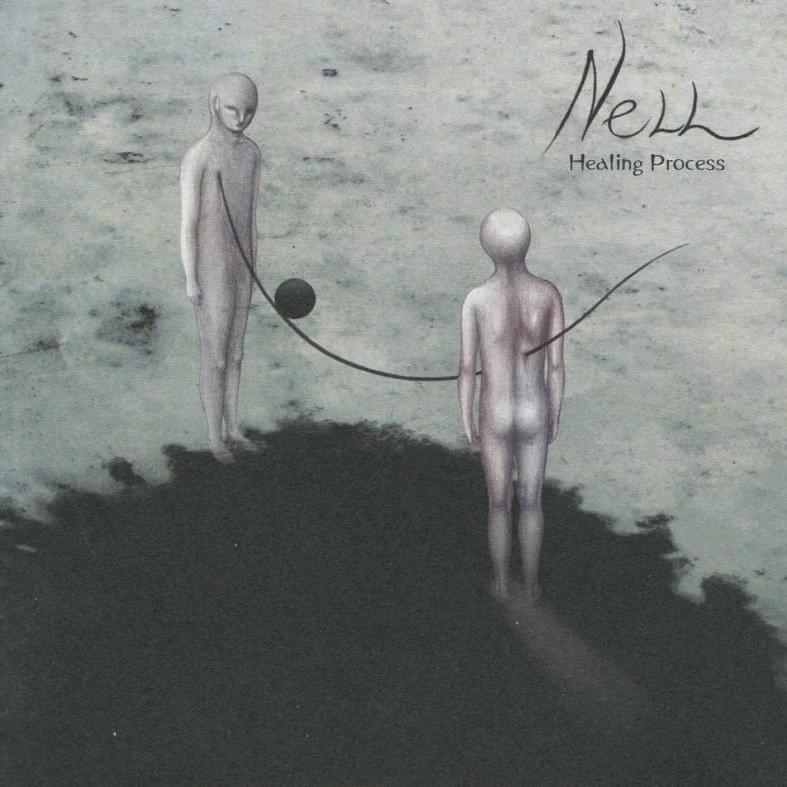
 View Artist