Song Meaning
The lyrics paint a stark picture of a restrictive and overwhelming environment, filled with prohibitions, tired expressions, and meaningless academic pressures. This oppressive atmosphere is immediately contrasted with a yearning for benevolent figures, the "people's candles," who are imagined as sources of light, guidance, and support for the young. The repeated questions, "Who are they, the people's candles?" and "Where are they?" underscore a desperate search for these positive influences amidst the negativity.
The central tension arises from the juxtaposition of the suffocating societal structures and the idealized, almost mythical, figures of the "kansankynttilät." These candles are depicted as educators, listeners, and advocates, offering a stark contrast to the "brown lungs corroded" and "dangers lurking in glasses" that suggest a world fraught with unhealthy habits and hidden threats. The lyrics question the efficacy of harsh treatments, like "pills in the face and to the hospital," implying a deeper need for genuine care and understanding rather than mere suppression of symptoms.
The most striking craft element is the recurring motif of the "kansankynttilät" themselves, presented as an abstract ideal rather than concrete individuals. Their role is to "light up even a gray day" and "teach games," and to "listen" and "support the worries of the young." This imagery of light and guidance is powerful, especially when contrasted with the oppressive darkness implied by the earlier descriptions. The nonsensical "Padaada papa paadada" sections, appearing after the darker verses and before the final plea for the candles, create a disorienting effect, perhaps mimicking the confusion and lack of clear direction experienced by those seeking help.
Ultimately, these lyrics resonate because they articulate a profound sense of disillusionment with established systems and a deep-seated hope for compassionate, guiding figures. The writing effectively uses contrast and questioning to highlight the absence of nurturing influences, making the search for these "people's candles" feel urgent and deeply human. The ambiguity of who these candles are leaves the listener contemplating where such light might be found in their own lives.
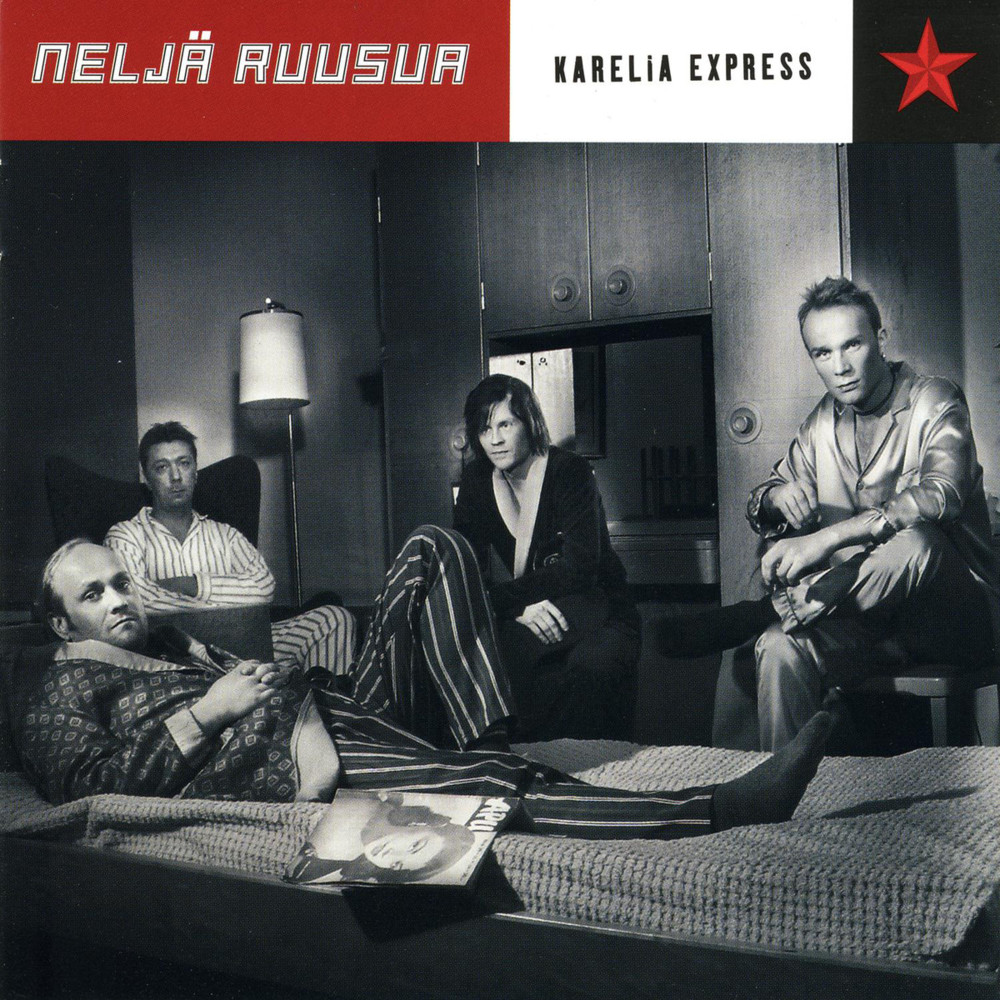
 View Artist