Song Meaning
Nek's "Parliamo al Singolare" isn't just a breakup song; it's a post-mortem on a relationship, dissected with the precision of a surgeon and the raw emotion of a grieving lover. The opening lines, "Prima o poi dovrò imparare a non amare più così" (Sooner or later I'll have to learn not to love like this anymore), establish a tone of weary resignation. It's the sound of someone acknowledging the toxicity of their own affection, recognizing that their capacity for love has become a self-destructive force. The desire to "ridare terra e mare ai miei nervi fragili" (give land and sea back to my fragile nerves) paints a vivid picture of emotional exhaustion, a desperate need to reclaim inner peace from the wreckage of a consuming passion. The repeated "prima o poi" (sooner or later) acts as a mantra, a fragile shield against the immediate pain.
The core of the song meaning lies in the stark realization that mere co-existence isn't enough to sustain a relationship. "Perché non basta stare insieme / Per dire che va bene" (Because it's not enough to be together / To say that it's okay) is a brutal admission of incompatibility, a refusal to settle for a hollow facsimile of love. The shift to "Ormai, parliamo al singolare" (Now we speak in the singular) is devastating, a linguistic severing that mirrors the emotional distance that has grown between the two individuals. The pain is amplified by the lingering connection, the acknowledgement that "eri parte di me" (you were a part of me). This isn't just about losing a partner; it's about losing a piece of oneself.
The yearning for a future, symbolized by "una casa circondata d'alberi / E una rosa che, quella rosa che non sei...non per me" (a house surrounded by trees / And a rose that, that rose that is not you...not for me), reveals a desire for a life free from the shadows of the past relationship. The rose, specifically "not you," is a powerful symbol of healing and the possibility of finding a love that is nurturing rather than destructive. The final repetition of "Prima o poi dovrò imparare a non amare più così!" (Sooner or later I'll have to learn not to love like this anymore!) underscores the enduring struggle to break free from ingrained patterns of affection, a recognition that the journey toward emotional independence is a long and arduous one. The song's power lies not in its grand pronouncements, but in its quiet, aching honesty.
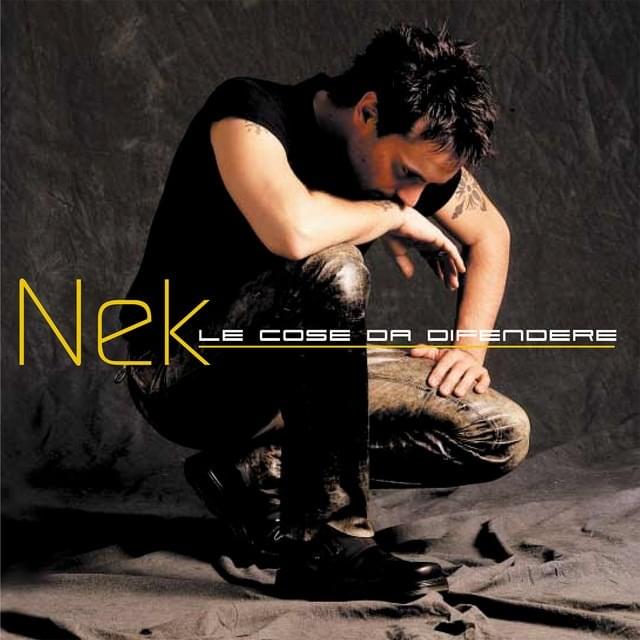
 View Artist