Song Meaning
Nek's "Los secretos de tu intimidad" unfolds as a bittersweet ode to a passionate, fleeting encounter, tinged with the melancholy of its absence. The song meaning centers on the intoxicating rush of unexpected connection and the lingering ache of its termination. The initial verses paint a picture of chance and undeniable chemistry: a meeting in a bar, gazes locking, a shared sense of adventure under the cloak of night. There's a palpable sense of risk and vulnerability as both parties, seemingly unburdened by expectation, dive headfirst into the unknown. The lyrics hint at a playful dance of seduction, where hearts are playfully threatened with theft and glimpses of vulnerability are offered like forbidden fruit. The repeated question, "Por qué quiso el azar / Que conociera / Cada secreto de tu intimidad" (Why did chance want / That I knew / Every secret of your intimacy) underscores the bewildering nature of fate and the profound impact this brief encounter had on the narrator.
The core of the song analysis reveals an intense, almost feverish intimacy. Images of "mil besos de sal en las aceras" (a thousand salty kisses on the sidewalks) and dancing in the streets as the city sleeps evoke a sense of reckless abandon and shared joy. The moon illuminating the path to her skin suggests a primal, almost magnetic pull. This is not just about physical attraction; it's about a deeper connection forged in stolen moments, a shared secret whispered in the twilight. The phrase "subiendo por tus caderas / Sin parar te volveré a besar / Y sin dejar de soñar" (going up your hips / I will kiss you again without stopping / And without stop dreaming) speaks to the all-consuming nature of desire and the blurring of reality and fantasy within this intimate space.
However, the final verses betray a profound sense of loss. The shift to "Hoy que tú no estás / Salgo a buscarte" (Today that you are not here / I go out to find you) shatters the idyllic illusion. The narrator is now haunted by the memory of this connection, desperately seeking a way to recapture what's been lost. The plea, "Ven que hace frío / Y ya es muy tarde" (Come, it's cold / And it's already very late) is a poignant expression of loneliness and regret. The song ultimately explores the human tendency to romanticize fleeting encounters, imbuing them with a significance that transcends their brevity. It's a reminder that even the most passionate connections can be ephemeral, leaving behind a lingering sense of longing and the haunting question of what might have been. The repetition of "Y vuelta a empezar..." hints to a cycle of seeking, finding, losing, and starting again.
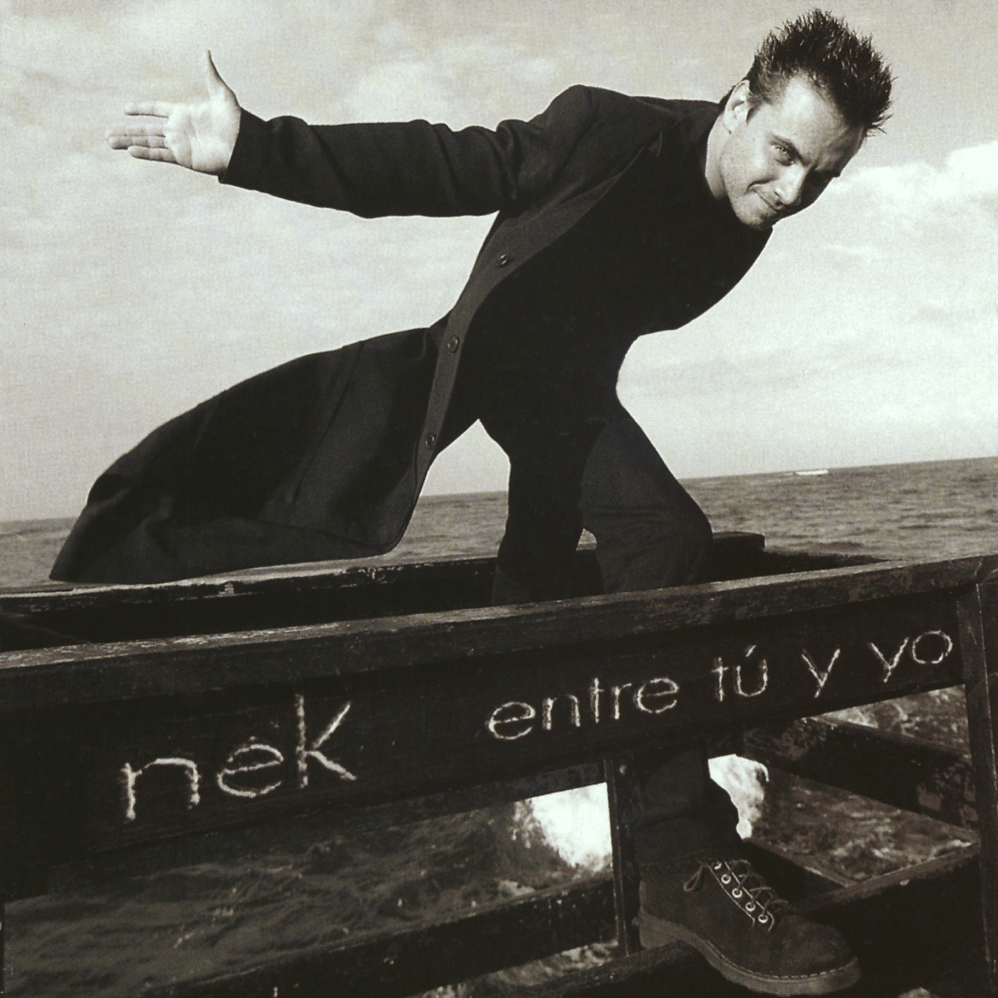
 View Artist