Song Meaning
The narrator grapples with the aftermath of a tumultuous relationship, questioning the timing of their current emotional state. They declare a definitive shift, stating, "Cicatrizo mis heridas" (I'll heal my wounds) with a newfound inner strength, symbolized by "fuego abrazador" (embracing fire) and "la fuerza de este sol" (the strength of this sun). This healing, however, comes with the stark realization that happiness is achievable, but crucially, "aquí, pero no junto a ti" (here, but not next to you).
The core conflict arises from the lingering uncertainty and pain inflicted by the other person's inconsistent behavior. The narrator asks, "no se si vas o vienes" (I don't know if you come or go), highlighting the emotional whiplash. This ambiguity fuels the desire to reframe the relationship in the past tense, as the repeated phrase "Porqué hablemos en pasado" (Why speak in the past) underscores the damage done and the need to create distance.
The lyrics paint a poignant picture of self-reclamation, contrasting the past with a hopeful future. The narrator envisions a future "rodeada de un jardín" (surrounded by a garden), a space of peace and growth, and acknowledges a specific unmet desire: "esa rosa que nunca fuiste para mí" (that rose you never were for me). This imagery suggests a longing for a nurturing, beautiful connection that was ultimately absent, reinforcing the decision to move forward independently.
Ultimately, the effectiveness of these lyrics lies in their raw honesty about the difficulty of letting go when past actions still echo. The narrator's declaration of future happiness, explicitly separate from the former partner, is a powerful assertion of self-preservation. The repeated questioning and the eventual resolution to speak "en pasado" reveal a painful but necessary process of acknowledging hurt and choosing personal peace over a fractured connection.
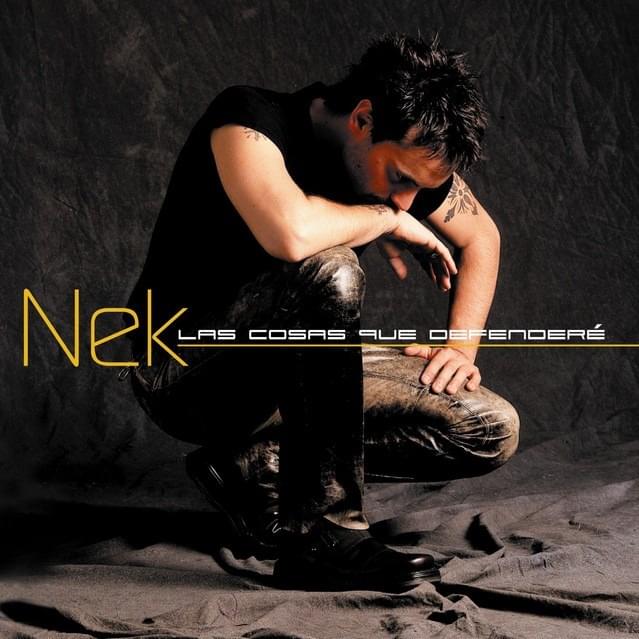
 View Artist